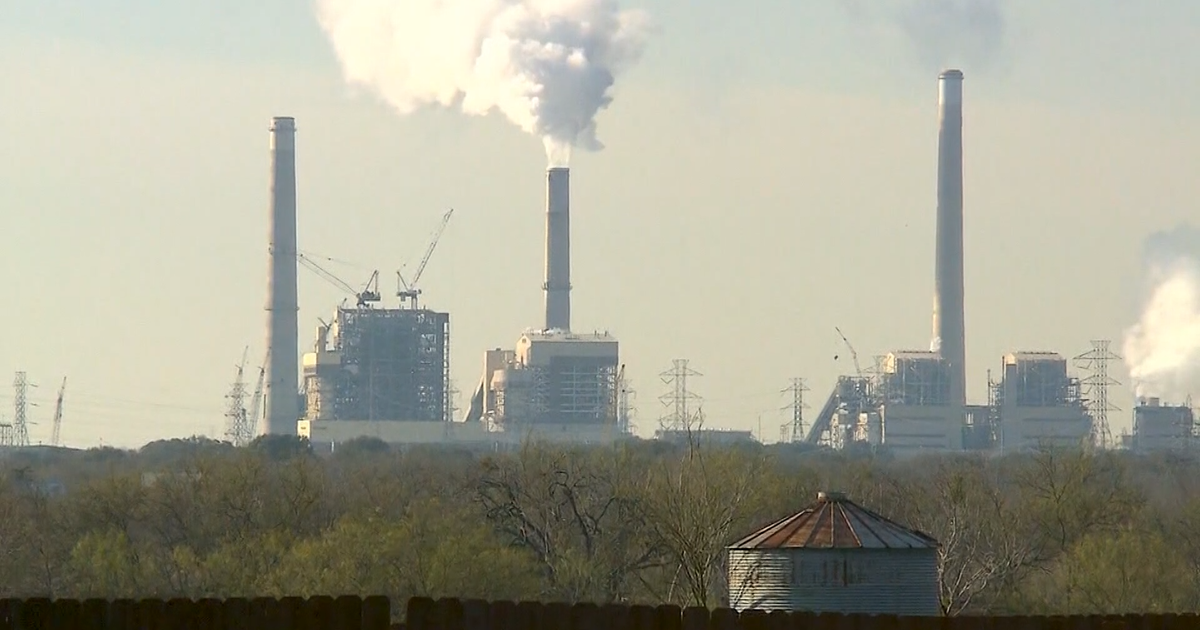
The Environmental Protection Agency (EPA) has repealed stricter limits on mercury emissions from coal-fired power plants, a decision that has sparked widespread criticism from health advocates and environmental groups. The agency cited potential cost savings for power companies as the primary justification for the rollback, with estimated annual savings of $90 million. However, critics argue that these savings come at a significant public health cost.
Mercury is a potent neurotoxin, particularly harmful to developing fetuses and young children. Exposure can lead to developmental delays, learning disabilities, and other health problems. Coal-fired power plants are a major source of mercury pollution in the United States, and the previous regulations were credited with substantially reducing mercury levels in the nation's waterways and ecosystems. Health advocates warn that the repeal could lead to increased mercury pollution, potentially impacting communities that rely on fish from contaminated waters.
Several organizations have pledged to challenge the EPA's decision in court, arguing that it violates the Clean Air Act and endangers public health. The move represents a significant shift in environmental policy under the current administration, prioritizing economic considerations over environmental protection and public health concerns. The EPA maintains that the repeal is consistent with the agency's mission to balance environmental protection with economic realities. The rollback is expected to disproportionately affect vulnerable populations, including children, pregnant women, and communities living near coal-fired power plants. Further analysis and monitoring will be required to fully assess the long-term impacts of this policy change on public health and the environment.