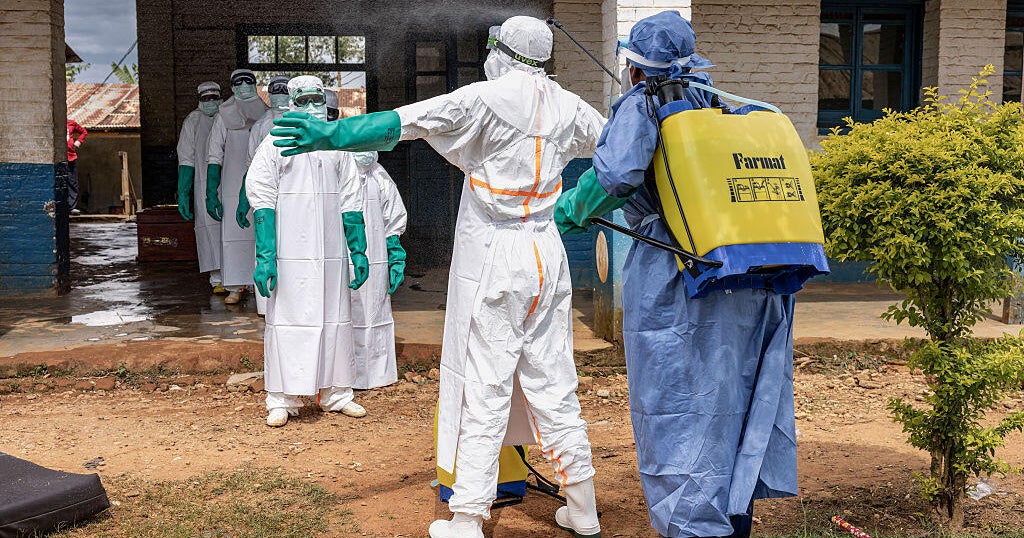
The recent outbreaks of Ebola in Uganda and hantavirus in the United States have sparked concerns about the preparedness of the federal health agency, according to infectious disease specialists. The timely occurrence of these outbreaks, coupled with ongoing concerns about the Centers for Disease Control and Prevention (CDC) resources, has raised anxieties about the agency's ability to effectively respond to future public health emergencies.
While experts believe these viruses are unlikely to escalate into widespread pandemics, the incidents have triggered renewed scrutiny of budget cuts and potential impacts on the nation's public health response. The Ebola outbreak, confirmed in Uganda, has already resulted in several reported cases and deaths. Ugandan health officials are working to contain the spread through contact tracing and vaccination efforts. The CDC is monitoring the situation closely and providing technical assistance to Ugandan authorities.
Simultaneously, cases of hantavirus pulmonary syndrome (HPS), a rare but serious respiratory illness, have been identified in the U.S. HPS is transmitted by rodents, and exposure typically occurs through inhalation of aerosolized urine, droppings, or saliva. While cases are sporadic, they can be fatal if not promptly diagnosed and treated. Infectious disease specialists emphasize that both Ebola and hantavirus pose localized risks, and a large-scale pandemic is considered improbable. However, the concerns revolve around the potential impact of budget reductions at the CDC and within the broader Department of Health and Human Services on crucial areas such as disease surveillance, laboratory capacity, and workforce training.
A robust and well-funded public health infrastructure is deemed essential for early detection, rapid response, and effective containment of infectious disease threats, both domestically and globally. The current situation serves as a reminder of the ongoing need for vigilance and investment in public health security.