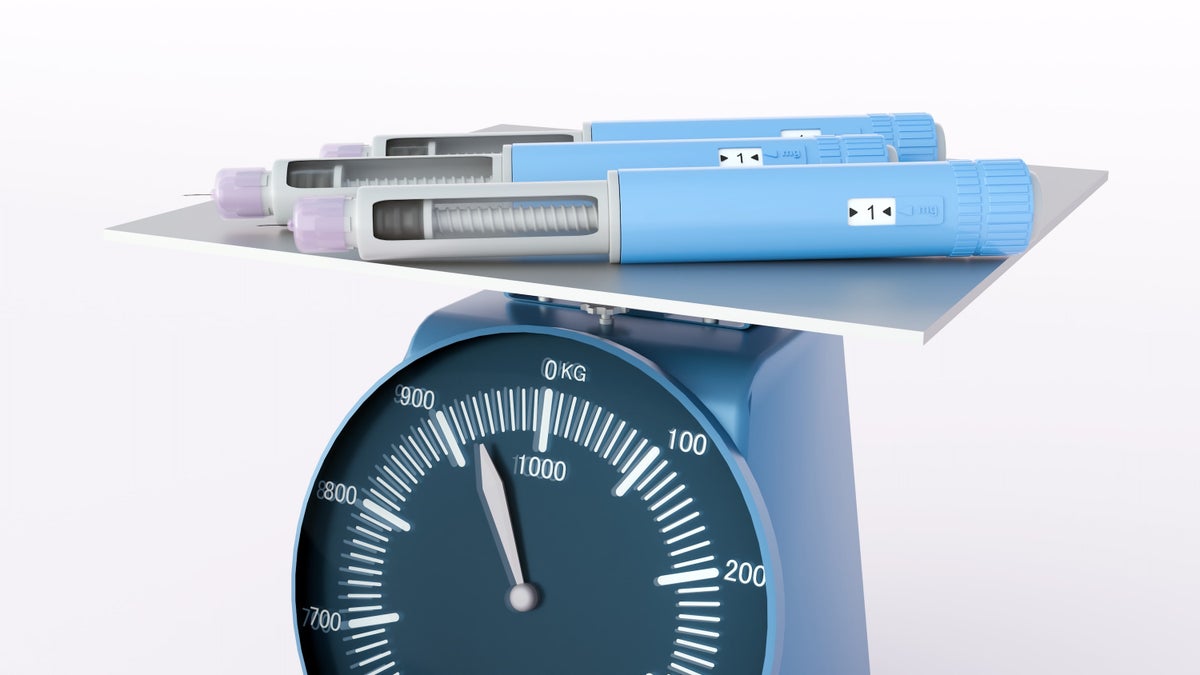
New generation GLP-1 receptor agonist drugs, including retatrutide, have emerged as a promising solution for individuals struggling with obesity, offering significant and rapid weight loss. However, experts are increasingly focused on understanding the potential health implications of losing weight too quickly or excessively. GLP-1 drugs, initially developed for managing type 2 diabetes, work by mimicking a natural hormone that regulates appetite and slows down digestion, leading to reduced food intake and, consequently, weight loss.
The newer iterations, like retatrutide, are showing even more pronounced effects than earlier versions, with some studies indicating substantial weight reduction within a relatively short timeframe. The rapid weight loss observed with these drugs raises concerns among healthcare professionals, as losing weight too quickly can lead to complications such as electrolyte imbalances, gallstones, and even heart rhythm problems. The optimal rate of weight loss is generally considered to be 1-2 pounds per week, allowing the body to adapt and minimizing adverse effects.
Researchers are currently investigating the long-term health consequences of rapid weight loss induced by GLP-1 drugs. Studies are needed to determine the ideal dosage, duration of treatment, and monitoring protocols to ensure patient safety. It's crucial for individuals considering or taking these medications to have regular check-ups with their healthcare provider and to discuss any concerns or side effects they may experience. The focus remains on balancing the benefits of weight loss with the potential risks, ensuring that these powerful drugs are used responsibly and effectively to improve overall health.