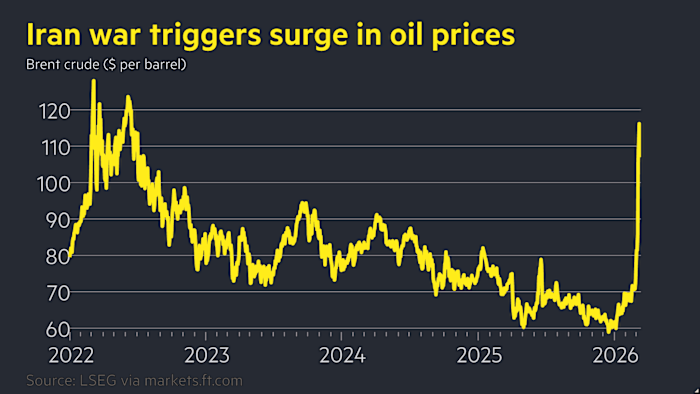
The oil market has reached a boiling point, with prices surging to their highest level since 2022, following the ascension of Mojtaba Khamenei, son of Iran's late Supreme Leader Ali Khamenei, to power. The move has heightened geopolitical tensions in the Middle East, impacting global energy markets and sending shockwaves through the industry. Brent crude futures have climbed to over $90 a barrel, reflecting concerns about potential disruptions to oil supplies from the region.
The surge in oil prices has far-reaching implications, exacerbating existing inflationary pressures worldwide and impacting consumers and businesses alike. Governments and financial institutions are bracing for potential market volatility and are evaluating various measures to mitigate the risks associated with the evolving situation in Iran. France's finance minister has acknowledged the volatile situation, stating that the time is not yet right to release strategic petroleum reserves, indicating a cautious approach from major economies.
Mojtaba Khamenei's ascension to power is significant, marking a potential shift in Iran's leadership and could influence its foreign policy and dealings with oil-producing countries. Analysts are closely monitoring the situation to assess its long-term impact on the global economy and energy security. The appointment has already spurred concerns among international observers, who fear it could exacerbate existing regional conflicts and further destabilize the Middle East.