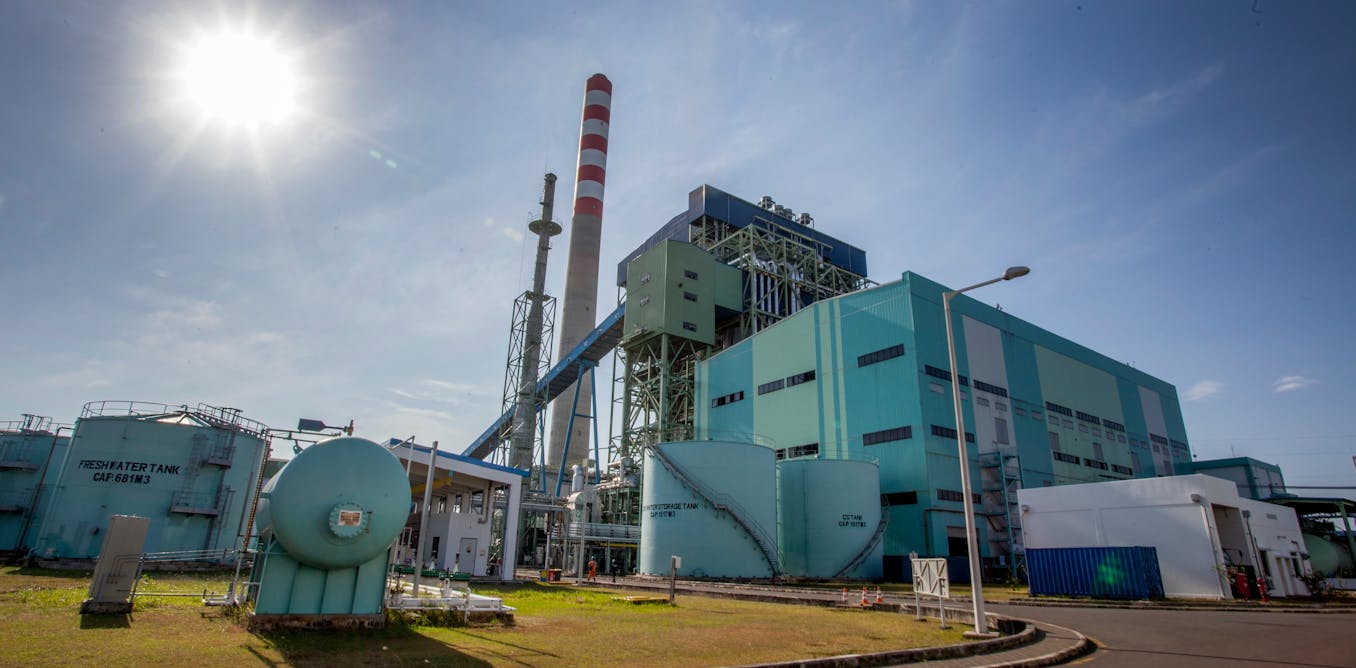
The ambitious $20 billion initiative aimed at phasing out coal-fired power plants in Indonesia has reportedly failed to retire a single plant, raising serious questions about the future of climate finance and international climate agreements. The deal, initially hailed as a model for climate finance, involved a partnership between the Indonesian government and international investors to provide $20 billion over several years. The funds were intended to compensate Indonesian state utility Perusahaan Listrik Negara (PLN) for retiring existing coal plants and investing in renewable energy alternatives. However, multiple sources indicate that the program has been plagued by delays and a lack of progress.
While the precise reasons for the failure remain complex and are subject to ongoing investigation, factors cited include disagreements over the valuation of coal assets, bureaucratic hurdles, and a lack of political will to prioritize the phase-out. The Indonesian government has reportedly been reluctant to prematurely retire assets deemed strategically important, while PLN has expressed concerns about the financial implications of decommissioning coal plants without adequate replacement capacity. The stalled initiative has broader implications for climate finance mechanisms designed to support developing nations in their decarbonization efforts.
The failure of this high-profile coal phase-out deal raises doubts about Indonesia's ability to meet its climate targets, including achieving net-zero emissions by 2060. Experts suggest that the incident underscores the need for more flexible and context-specific approaches to climate finance, recognizing that one-size-fits-all solutions are unlikely to succeed. The situation demands a reassessment of strategies and a renewed commitment from all stakeholders to ensure that climate finance effectively supports the transition to a sustainable energy future.