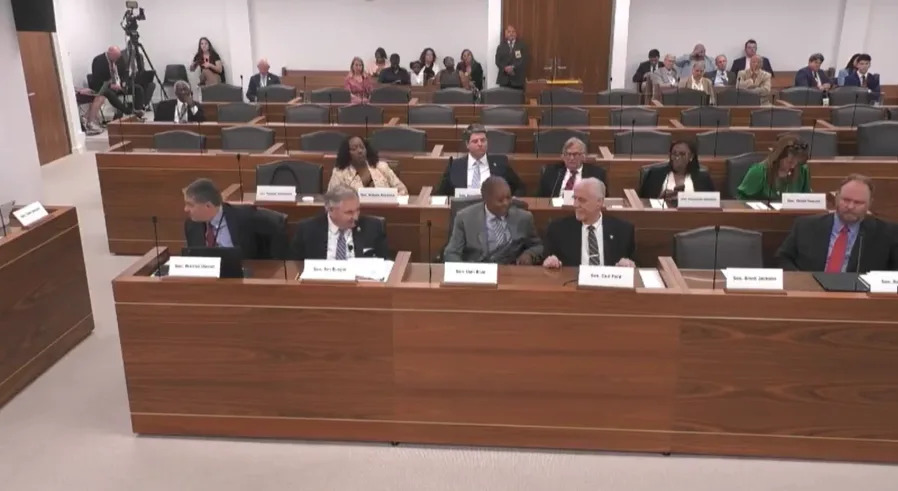
The North Carolina Senate Finance Committee has made a significant move towards reducing the state's income tax rate by approving Senate Bill 1080, a constitutional amendment aimed at capping the income tax rate at a lower level. This bill, dubbed "Lower Taxes for All N.C.," seeks to establish a constitutional amendment that would ultimately lower the state's income tax rate from its current 3.5%. The legislative push for the amendment is closely tied to a recently unveiled budget framework proposed by Republican lawmakers, which outlines plans to further reduce the state's personal income tax rate to 3%, building upon the existing 3.5% rate.
The Finance Committee's approval marks a crucial step in the bill's journey through the legislative process. It now faces further consideration by the full Senate before potentially heading to the House for deliberation. The ultimate outcome will depend on legislative votes and, if successful, the decision of North Carolina voters in November. The proposed amendment aims to solidify the tax reduction within the state's constitution, ensuring its longevity beyond any single legislative session. By capping the income tax rate, the state can attract businesses and individuals, stimulating economic growth and job creation.
The potential impact of this amendment cannot be overstated. A lower income tax rate can have a significant effect on the state's economy, making it more competitive and attractive to businesses and individuals. The proposed amendment is a step in the right direction, and its approval would be a significant victory for those advocating for lower taxes. However, the outcome is far from certain, and the bill's fate will depend on the decisions of state lawmakers and voters in November.