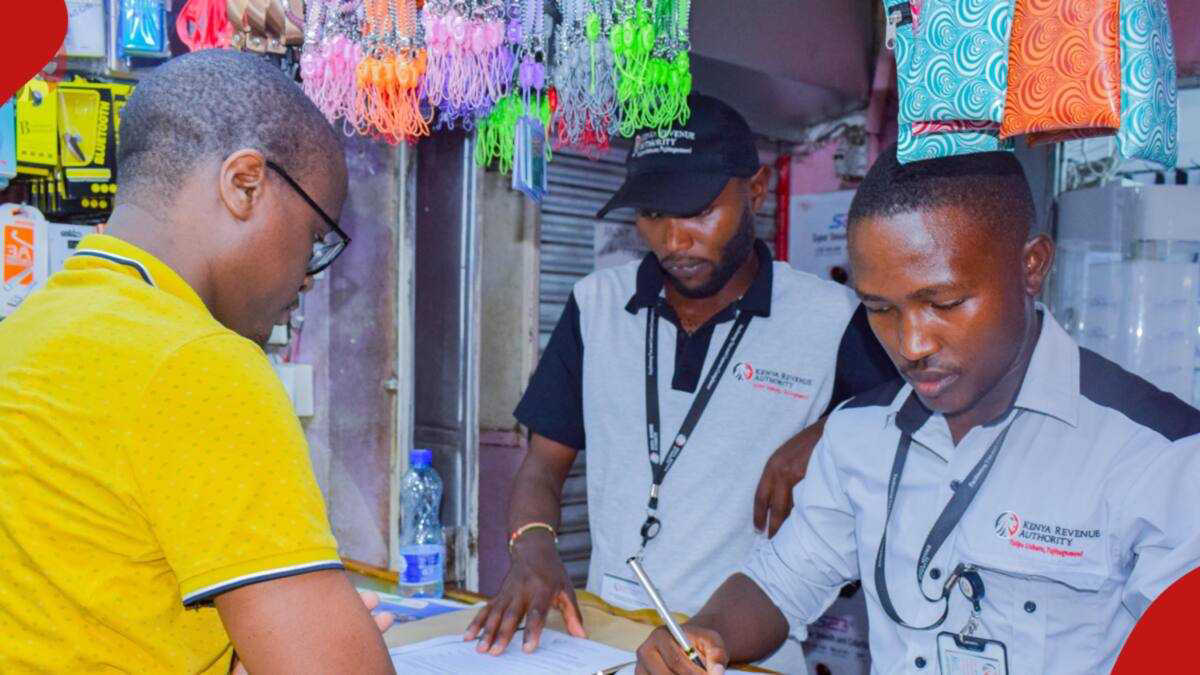
The Kenya Revenue Authority (KRA) is set to gain expanded access to personal data under the proposed Finance Bill 2026, a move that has sparked both excitement and concern among Kenyans. The bill, currently under review, outlines significant changes to data access protocols for the KRA, allowing the authority to obtain information from a wider range of sources, including financial institutions, telecommunications companies, and potentially other data holders. This expansion of data access is intended to bolster tax collection and combat tax evasion, but it also raises concerns regarding privacy and data protection.
Proponents of the bill argue that the increased data access is crucial for improving tax compliance and reducing revenue leakage. They contend that enhanced data analysis capabilities will enable the KRA to identify and address instances of tax avoidance and evasion more effectively. The government hopes this measure will contribute to increased revenue generation, which can be used to fund public services and infrastructure projects. However, the proposal has also raised concerns regarding the potential for misuse of personal data and the lack of adequate safeguards to protect citizens' information.
Civil society organizations and privacy advocates have voiced apprehension about the potential for misuse of personal data and the lack of adequate safeguards to protect citizens' information. They are calling for greater transparency and accountability in the KRA’s data access practices and urging lawmakers to incorporate stronger privacy protections into the Finance Bill 2026. Discussions are ongoing to address these concerns and ensure a balance between revenue collection and the protection of individual rights. The Finance Bill 2026 is expected to undergo further debate and scrutiny in the Kenyan Parliament before it is enacted into law.