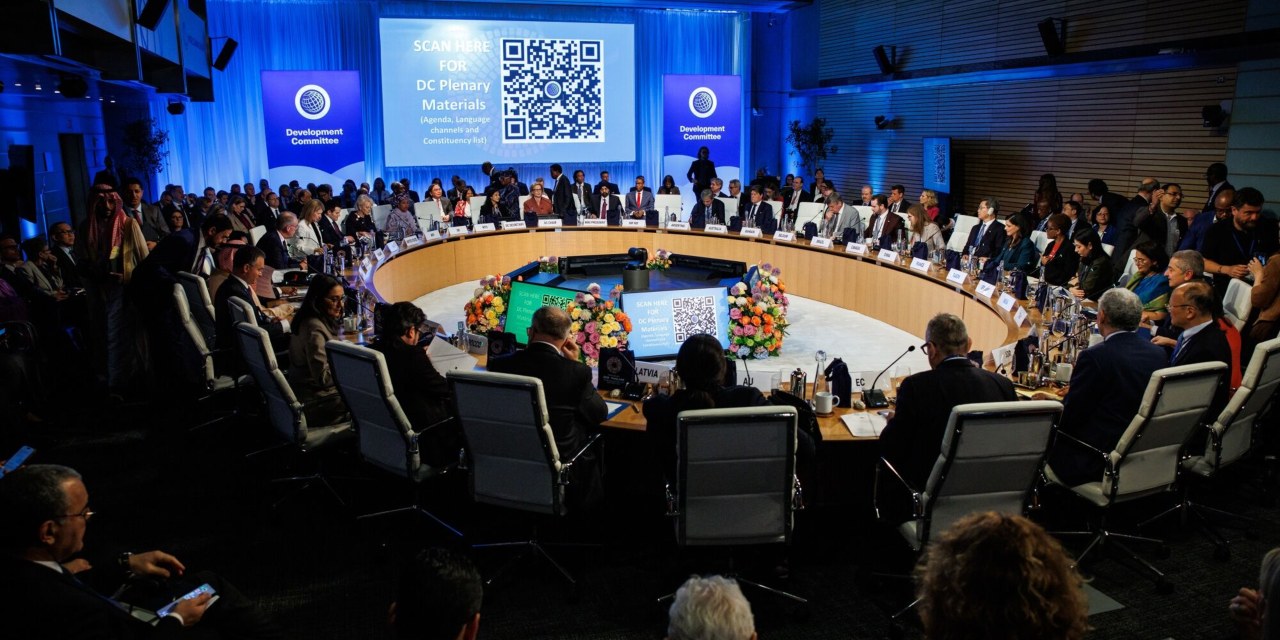
The ongoing conflict involving Iran has sent shockwaves through the global financial landscape, casting a shadow over the International Monetary Fund (IMF) and World Bank Spring Meetings. Economic and financial instability is expected to continue for the foreseeable future, potentially lasting weeks or even months. The Spring Meetings, held annually in Washington D.C., bring together finance ministers, central bankers, and other key figures from around the world to discuss pressing global economic issues.
This year's discussions were heavily influenced by the escalating tensions in the Middle East and the potential impact on oil prices, trade, and overall economic growth. Participants expressed concerns that the conflict could disrupt supply chains, increase inflation, and dampen investor confidence. The volatility in energy markets, particularly oil, is a major worry, as any significant price spikes could negatively impact economies worldwide. The IMF and World Bank are closely monitoring the situation and assessing the potential economic fallout.
While specific forecasts remain uncertain, the prevailing sentiment among attendees was one of caution and preparedness for continued turbulence. Many anticipate that governments and central banks will need to remain vigilant and ready to respond to any further escalation of the conflict and its economic consequences. The uncertainty surrounding the conflict is likely to continue, with potential implications for global economic growth and stability.