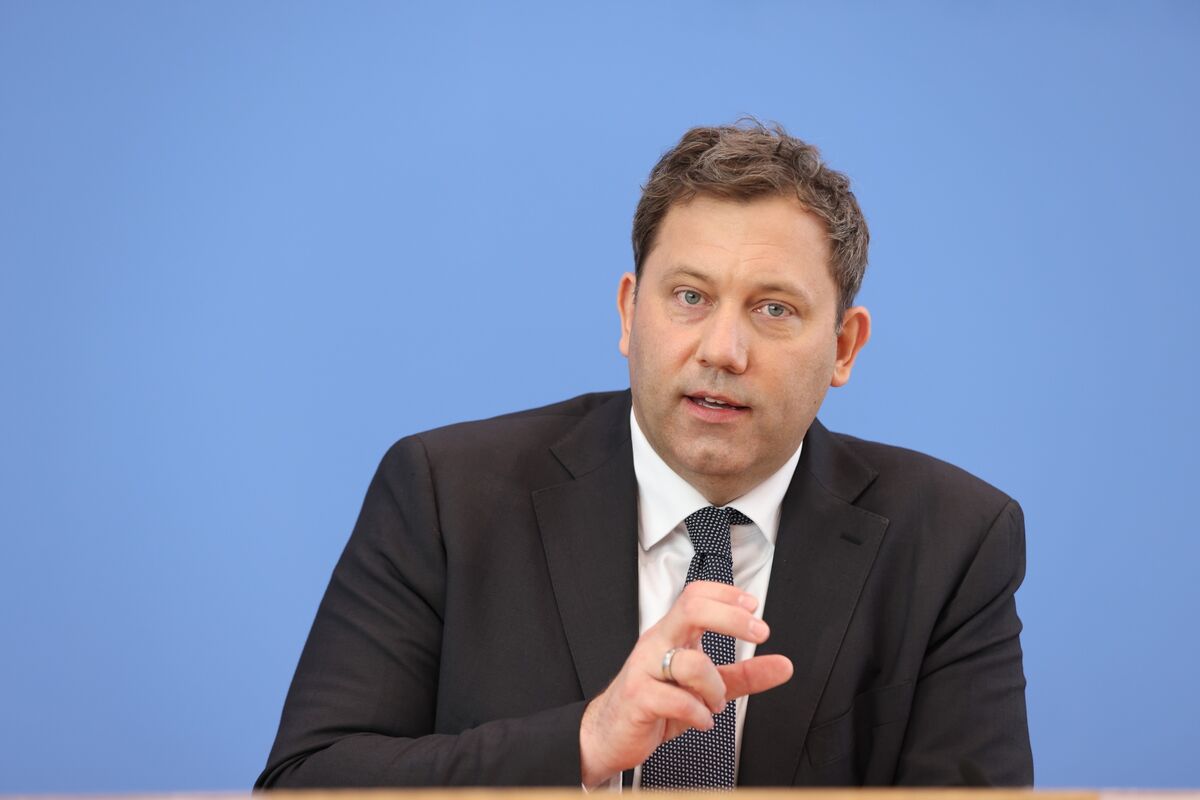
As the world grapples with the far-reaching consequences of ongoing geopolitical instability, Germany's Finance Minister Lars Klingbeil is sounding the alarm on the need for stronger global supply chains, raw materials, and energy security. Speaking to reporters ahead of the upcoming G-7 summit, Klingbeil emphasized the importance of deeper international cooperation to mitigate risks and ensure a more resilient global economy. The stakes are high, with disruptions to supply chains already having a significant impact on economies worldwide, contributing to inflation and hindering growth.
The situation in Iran, a major player in energy markets, presents a particular concern, given the potential for further instability and supply disruptions. Klingbeil's call for action underscores Germany's commitment to addressing supply chain vulnerabilities and promoting a more stable and secure global economy. The discussions at the G-7 summit are expected to include strategies for enhancing energy independence, securing access to critical raw materials, and strengthening international cooperation on supply chain resilience. By diversifying supply sources and strengthening domestic production capabilities, countries can reduce their reliance on vulnerable supply chains and build a more sustainable future.
The G-7 summit, which brings together leaders from Canada, France, Germany, Italy, Japan, the United Kingdom, and the United States, provides a crucial platform for discussing these challenges and coordinating international responses. Klingbeil's message is clear: the time for action is now, and the world must come together to address the pressing issues facing global supply chains. By working together, countries can build a more resilient and secure global economy, better equipped to withstand the challenges of an increasingly complex and interconnected world.