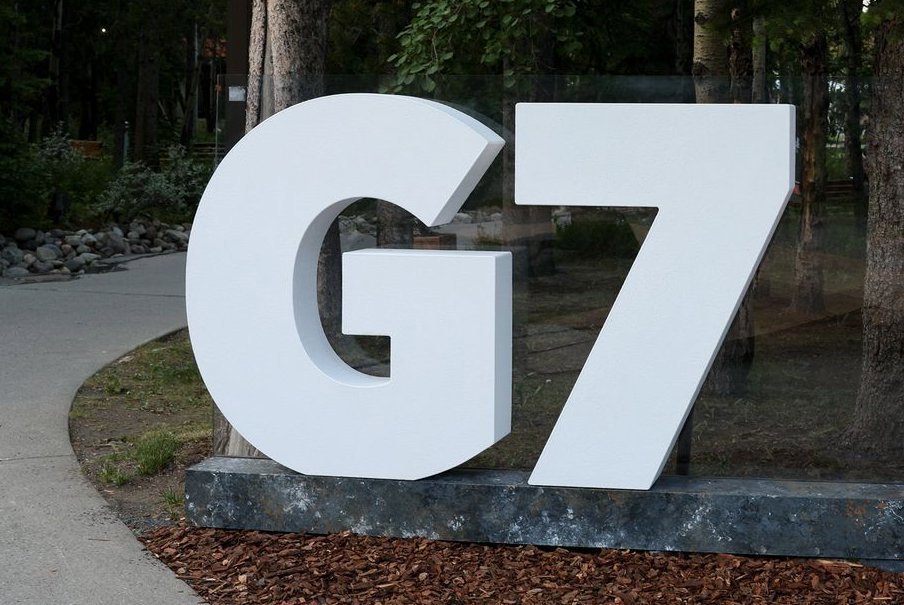
The global energy market is on high alert as the G7 group of nations – comprising the United States, Canada, France, Germany, Italy, Japan, and the United Kingdom – convenes an emergency session to address the rapid increase in oil costs, which have risen nearly 14% in recent weeks. The sharp spike in oil prices is directly linked to the escalating tensions involving Iran, a major oil producer, with concerns about potential disruptions to oil supply from the region fueling investor anxieties and driving prices upward.
The primary focus of the meeting is a potential release of strategic oil reserves, which are stockpiles of crude oil maintained by countries for use during emergencies, such as supply disruptions or significant price spikes. Releasing these reserves can temporarily increase the supply of oil on the market, which can help to lower prices. However, the effectiveness of this measure depends on several factors, including the scale of the release and the overall market conditions. The G7 nations recognize the need to act swiftly to prevent further price volatility and ensure a stable energy supply.
The G7 finance ministers are expected to continue their discussions and issue a statement outlining their decisions regarding the oil reserve release and other measures to address the current energy market situation. The outcome of this meeting will be closely watched by oil markets and governments around the world, as the global economy is heavily reliant on a stable energy supply. The potential release of strategic oil reserves is a critical step in mitigating the impact of higher prices on consumers and businesses worldwide.