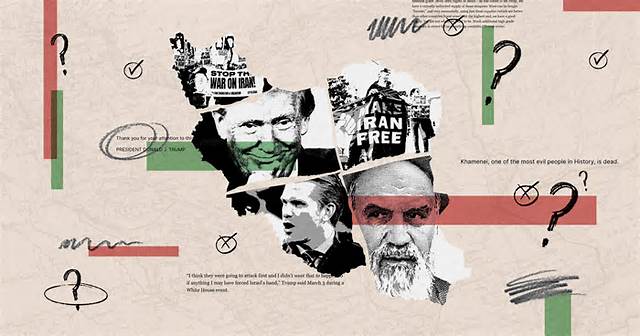
The United States and Iran are embroiled in an escalating conflict, raising concerns about regional stability and potential wider repercussions. Tensions have significantly increased following an initial attack on February 28th, with the number of American service members killed continuing to rise. The current situation represents a complex geopolitical challenge, rooted in decades of strained relations between the two nations.
While a full-scale “war” declaration hasn't occurred, the exchange of attacks and heightened military presence in the region indicates a dangerous escalation. The initial attack, which triggered the current series of events, remains a focal point in understanding the current crisis. The United States has responded to the attacks with retaliatory strikes, further intensifying the cycle of violence. These actions are being closely monitored by international observers, who are urging de-escalation and diplomatic solutions.
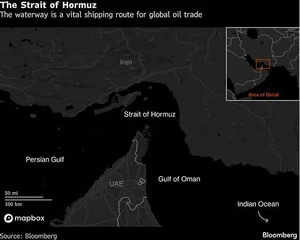
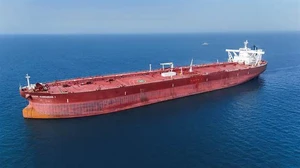
The ongoing conflict has significant implications for global energy markets, trade routes, and regional security. The impact is being felt across the Middle East and beyond. The underlying causes of the US-Iran conflict are multifaceted, encompassing historical grievances, ideological differences, and competing regional ambitions. Iran’s nuclear program and its support for proxy groups have long been sources of contention with the United States. The current crisis underscores the fragility of the region and the urgent need for dialogue and diplomatic engagement to prevent further escalation and protect civilian populations.
As the situation develops, the focus remains on preventing a wider conflict and finding a path towards a more stable and secure future for the region. The number of American service members lost is a stark reminder of the human cost of this ongoing crisis, and efforts to protect personnel remain a top priority for the US military.