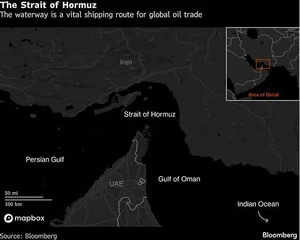
The ongoing conflict with Iran has sent shockwaves through the global supply chain, prompting the United States to aggressively seek alternative sources of a critical metal essential for advanced weaponry. Advanced missile systems, including Tomahawk, Patriot, and Precision Strike missiles, rely heavily on this metal, which is rapidly depleting existing reserves. The U.S. military's engagement in the region and subsequent use of these weapons is rapidly depleting existing reserves, prompting a global search for new suppliers.
China currently exerts significant control over the production and supply of this metal, placing the United States in a challenging position. The reliance on a single source creates strategic risk, motivating the U.S. to diversify its supply chain and secure access to this crucial resource. The hunt involves exploring potential mining operations and establishing partnerships with nations outside of China. Resource security is critical in an increasingly volatile world, and the U.S. government is likely working with both domestic and international partners to address the shortage and ensure a consistent supply of the metal needed to maintain its military readiness.
The situation underscores the complex interplay between geopolitical tensions, military operations, and industrial supply chains. The long-term implications of this situation remain to be seen, but it highlights the importance of supply chain diversification and strategic risk management in maintaining national security. As the U.S. continues to navigate this challenging landscape, it is clear that the stakes are high, and the consequences of failure could be severe.