President Donald Trump's decision to withdraw from a portion of the trade agreement reached with European Union leaders last year has sent shockwaves through the global trade community, with increased import duties on cars and lorries set to take effect. The move stems from Trump's long-standing criticism of the EU's delayed ratification of the deal, which was initially negotiated at his golf course in Scotland.
The original agreement aimed to avert a broader trade war between the United States and the European Union, but its ratification has been a protracted process, reportedly facing internal disagreements and bureaucratic hurdles. Trump has repeatedly expressed frustration with what he perceives as unfair trade practices by the EU, and his decision to revisit the agreement highlights the fragility of trade deals and the potential for political shifts to impact international commerce.
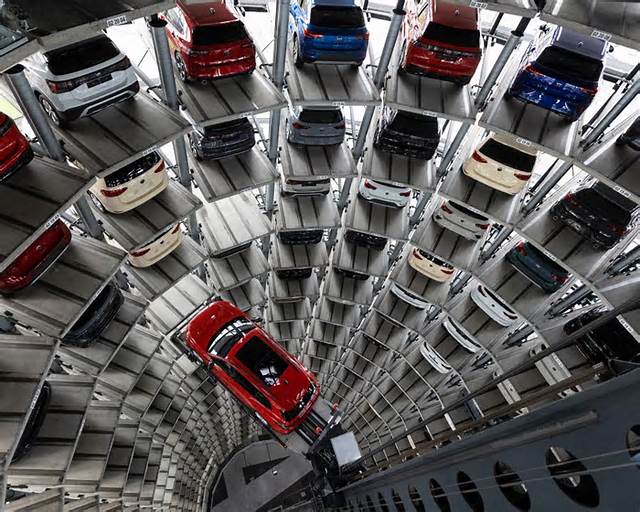
The implications of these raised import duties on cars and lorries are still unfolding, but analysts predict potential impacts on both US and European automakers, as well as consumers. Further details regarding the scope of the withdrawal and the specific duties being implemented are expected to be released shortly. The White House has yet to provide a detailed explanation of the legal justification for this action, leaving many in the trade community wondering what the future holds for transatlantic trade relations.