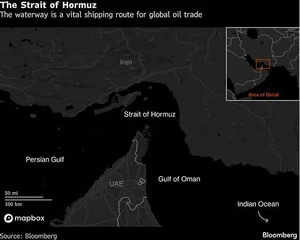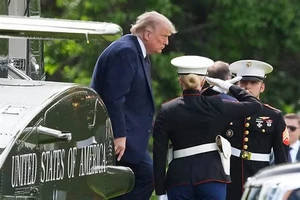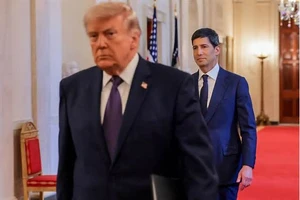
The United States is taking a significant step towards escalating tensions with Iran, as President Donald Trump has directed his aides to prepare for a prolonged blockade of the country, according to U.S. officials. The reported directive signals a high-risk strategy aimed at pressuring Tehran into halting its nuclear program, which has been a major point of contention between the two nations. The blockade is intended to target Iran's financial resources, effectively limiting its ability to fund its nuclear ambitions and other activities deemed destabilizing by the U.S.
The move comes amid ongoing concerns over Iran's adherence to international agreements regarding its nuclear program. The U.S. has repeatedly accused Iran of seeking to develop nuclear weapons, a claim Iran consistently denies. The blockade represents a forceful attempt to compel Iran to renegotiate or abandon its nuclear efforts, which could have significant economic and diplomatic consequences. The potential consequences of such a blockade are substantial, both economically and diplomatically, and could trigger a broader conflict in the Middle East and further destabilize the region.
International reactions are expected to be mixed, with allies likely to express concerns about the legality and potential ramifications of the action. The U.S. administration has yet to formally announce the plan, and its ultimate implementation remains subject to further developments and considerations. As the situation continues to unfold, it remains to be seen how Iran will respond to the proposed blockade and what impact it will have on the already fragile Middle East peace process.