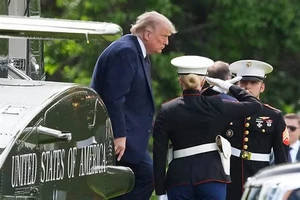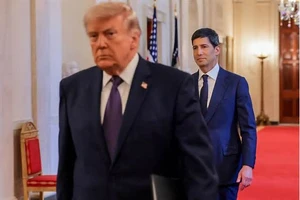
President Donald Trump has recently proposed a temporary pause on the federal gas tax as a measure to alleviate financial strain on American consumers facing rising energy costs, largely attributed to the ongoing conflict in Iran. The proposal aims to provide immediate relief at the pump, but its feasibility hinges on securing bipartisan support in Congress.
The federal gas tax, currently 18.4 cents per gallon for gasoline and 24.4 cents per gallon for diesel, funds the Highway Trust Fund, which supports infrastructure projects, including road maintenance and construction across the nation. A pause in the tax would decrease revenue flowing into this fund, potentially impacting planned infrastructure improvements and requiring alternative funding sources. While the President can propose legislation, it is Congress that ultimately votes on whether to enact it into law.
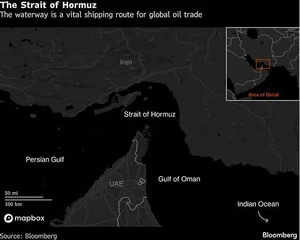
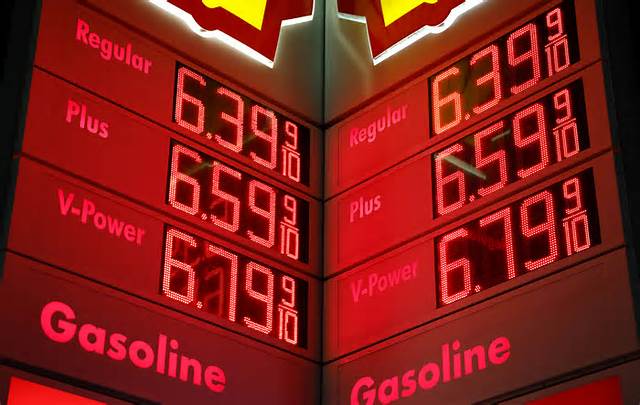
The timing of the proposal coincides with a period of heightened volatility in global oil markets due to the conflict in Iran. Concerns about potential disruptions to oil supply have contributed to rising gasoline prices nationwide, prompting calls for government intervention to ease the burden. Analysts suggest that while a gas tax pause could offer short-term relief for consumers, it's a temporary solution that doesn't address the underlying factors driving energy prices. A more sustainable approach, they argue, would involve policies that promote energy independence and diversification of energy sources.