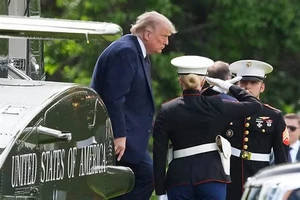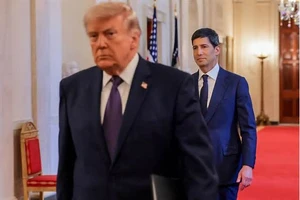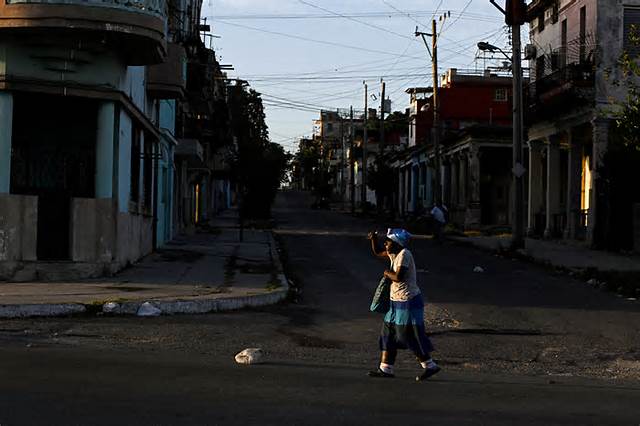
The Trump administration has unveiled a plan to revitalize Cuba's struggling economy, while simultaneously increasing US influence on the island. Dubbed "Cubastroika" by insiders, the plan proposes a series of economic incentives and conditional aid packages designed to encourage market-oriented reforms within Cuba. The situation on the ground in Cuba has become increasingly dire, with severe fuel shortages and broader economic challenges significantly impacting small businesses and daily life for many Cubans.
Aldo Álvarez, owner of a delivery company in Havana, recently experienced a three-week operational standstill due to a severe fuel shortage. His fleet of 10 trucks and vans were left idle, unable to fulfill deliveries as fuel became virtually unavailable in the capital. This shortage, along with broader economic challenges, has significantly impacted small businesses and daily life for many Cubans. The proposed "Cubastroika" plan reportedly aims to leverage this economic vulnerability by offering financial assistance and trade concessions contingent on Cuba implementing specific economic reforms, such as allowing greater private enterprise and reducing state control over key industries.
The plan's architects believe these conditions could create a pathway for greater US investment and influence, potentially shifting Cuba away from its current economic model and closer to a market-based system. While the specifics of the plan are still developing, its announcement has already sparked debate both within the US and Cuba. Critics argue that such a strategy risks exploiting Cuba's economic hardship and could be perceived as interference in the country's internal affairs. Supporters, however, contend that it offers a pragmatic approach to promoting economic freedom and human rights on the island, while also advancing US strategic interests in the region.