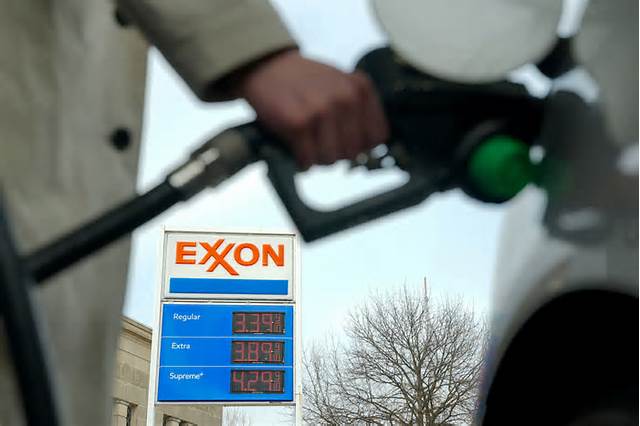
The recent surge in gasoline prices and escalating oil costs has sent shockwaves through the oil industry, with even the most profitable companies beginning to feel the pinch. American drivers have been experiencing higher prices at the pump for some time, mirroring a broader trend of escalating oil costs. While this has initially translated into increased profits for oil companies, analysts suggest this situation may not be sustainable.
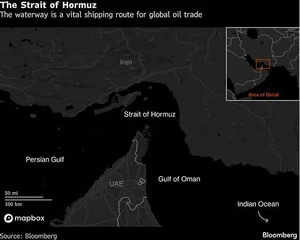
The current geopolitical climate, particularly the ongoing conflict involving Iran, has played a significant role in the price fluctuations. President Donald Trump's policies and actions concerning Iran have contributed to instability in the region and, consequently, global oil markets. Initially, this instability boosted revenues for oil producers. However, sustained high prices can ultimately dampen demand. Consumers may reduce driving, seek more fuel-efficient vehicles, or explore alternative transportation options. This decreased demand could negatively impact oil company revenues in the long run.
Oil companies are closely monitoring the situation, balancing the current benefits of higher prices against the potential risks of reduced demand and regulatory scrutiny. The evolving dynamics in the Middle East and the responses of consumers and policymakers will be crucial factors in determining the future impact on the oil industry. As the situation continues to unfold, one thing is clear: the oil industry is facing a perfect storm of rising costs, decreased demand, and increased regulatory pressure.