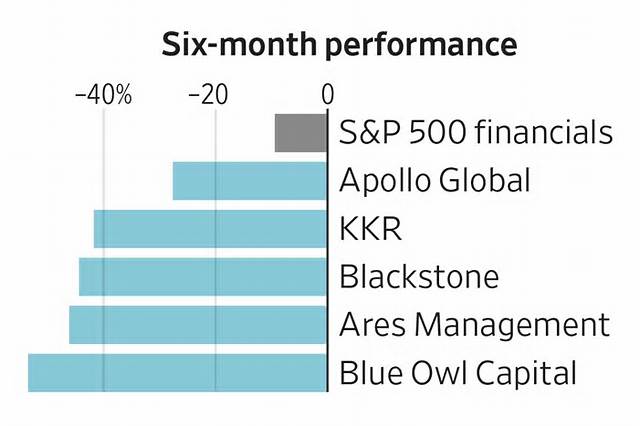
The private credit market, which has experienced explosive growth in recent years, is facing significant headwinds as investors are increasingly withdrawing funds from large funds. This relatively new development is forcing private credit firms to make difficult decisions regarding liquidity and asset management. The market, which involves lending directly to companies rather than through traditional banks, has grown to over $1.5 trillion in assets under management, fueled by high interest rates and strong investor demand.
Concerns about rising interest rates and the overall economic outlook are prompting investors to reassess their allocations to private credit. Several large funds have reportedly experienced outflows, leading to liquidity concerns and pressure to sell assets at potentially unfavorable prices. The situation is particularly challenging for firms that heavily rely on short-term funding to finance long-term loans. As investors demand their money back, these firms may be forced to sell assets, potentially triggering a downward spiral.
The long-term implications of this investor exodus remain uncertain, but it underscores the importance of careful risk management and sustainable growth in the private credit market. Experts are closely monitoring the situation to see if this represents a temporary correction or a more fundamental shift in investor sentiment toward private credit. The private credit market's rapid growth has created challenges for firms and potentially jeopardized the sector's stability, highlighting the need for a more cautious approach to alternative lending.