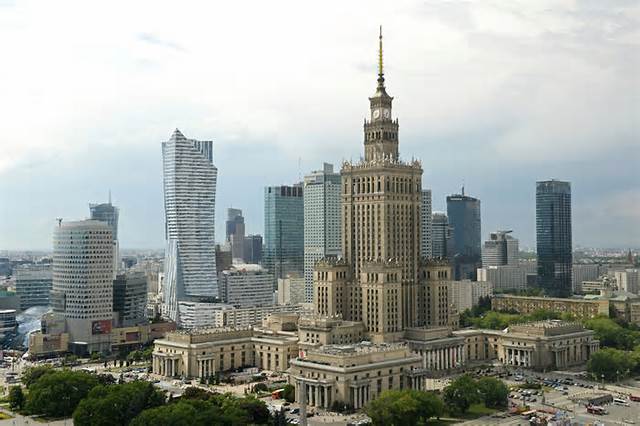
Poland's economy has achieved a significant milestone, surpassing Switzerland to rank among the world's 20 largest economies, a remarkable transformation from a period of scarcity and economic disparity just a generation ago. The shift reflects decades of economic reforms and integration into the global market, which have enabled the country to unlock its full economic potential.
A generation ago, Poland faced severe economic challenges, with citizens experiencing rationing of basic goods like sugar and flour, and wages drastically lower compared to those in Western Europe. For example, Polish workers earned roughly one-tenth of what their West German counterparts made, highlighting the significant economic gap. However, consistent reforms and a commitment to economic liberalization have propelled Poland's rise, driving its economic growth through factors such as foreign investment, privatization of state-owned enterprises, and a focus on exports.
The country's strategic location in Central Europe has also contributed to its economic success, facilitating trade with both Western and Eastern European nations. The transition from a centrally planned economy to a market economy wasn't without its challenges, but Poland's resilience and determination have enabled it to overcome these obstacles and achieve its current ranking. This achievement underscores Poland's increasing importance in the global economic landscape and demonstrates the potential for economic growth through strategic policy choices.