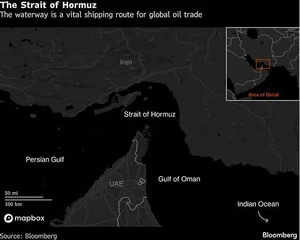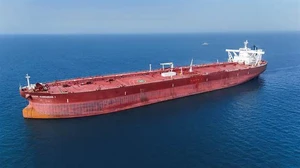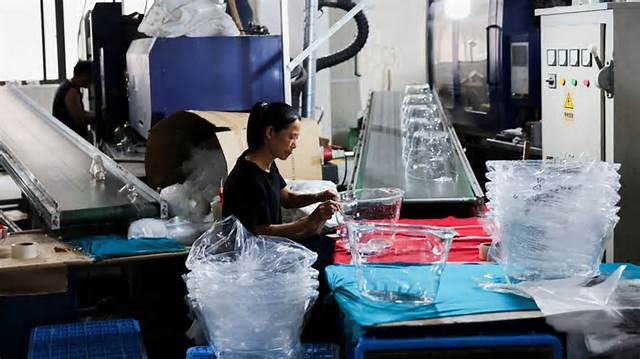
The ongoing conflict in Iran is set to have a significant impact on the global plastic market, with consumers bracing for higher prices on plastic goods. According to experts, the rising cost of oil, a primary component in plastic production, is driving the anticipated price increases. The connection between the war and plastic prices stems from the fact that a significant portion of plastic products are derived from oil and natural gas. Disruptions to oil supply chains, exacerbated by the conflict in Iran, a major oil-producing nation, are pushing up crude oil prices globally.
Analysts predict that this increase in oil prices will be passed on to consumers in the form of higher prices for a wide range of plastic-based products. This includes everything from everyday items like packaging and toys to more durable goods like appliances and automotive parts. The extent of the price increases will likely vary depending on the specific product and the manufacturer’s ability to absorb some of the added costs. While the exact impact on individual products remains to be seen, experts caution that consumers should expect to pay more for goods containing plastic in the coming weeks and months.
The situation underscores the complex interconnectedness of global markets and the ripple effects that geopolitical events can have on everyday consumer spending. As the conflict in Iran continues to unfold, it is essential for consumers to be aware of the potential price increases and to plan accordingly. By understanding the impact of the conflict on the plastic market, consumers can make informed decisions about their purchasing habits and budget accordingly.