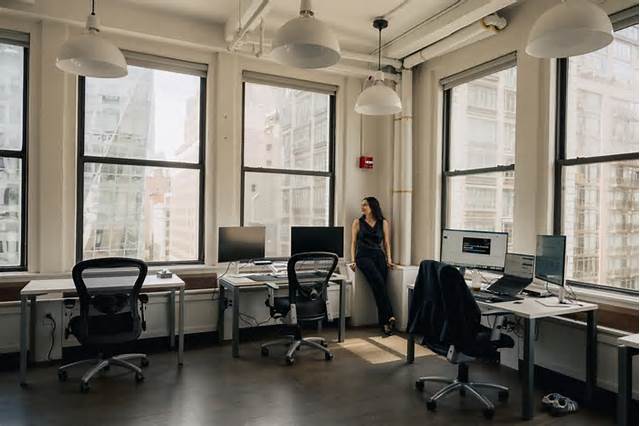
The New York City AI startup scene is a tale of two worlds: one of lavish, high-end office spaces, and another of understaffed, underutilized facilities. Blake Anderson, founder of 10x, an AI-powered mobile-app-development company, recently secured a stunning SoHo loft for his firm, highlighting this trend. The office boasts desirable features like high ceilings and hardwood floors, situated in a prime location in the heart of SoHo. However, like many other AI startups in the city, 10x isn’t fully utilizing the space.
This phenomenon reflects a broader shift in how tech companies, particularly those in the AI sector, approach office space. Many are embracing hybrid or remote work models, reducing their need for expansive physical headquarters. The trend speaks to the rapid growth and evolving nature of the AI industry. Startups are often focused on attracting talent, and a prestigious office address can be seen as a perk. However, the cost of maintaining such spaces in a competitive market like New York City is substantial.
The flashy offices serve as a symbol of ambition and success, but the reality of their limited occupancy raises questions about the long-term sustainability of this approach, particularly as economic conditions shift and companies re-evaluate their operational expenses. The situation underscores the dynamic interplay between the allure of a physical presence and the practicalities of a modern, decentralized workforce in the AI era.