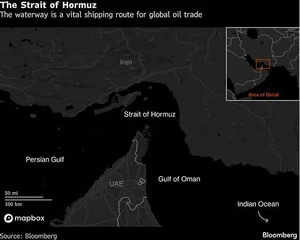
The United States and Israel launched a surprise strike against Iran on Friday, aiming to bring about regime change, but Tehran appears to be well-prepared for such an escalation. Unlike previous military interventions, Iran has reportedly spent decades anticipating and planning for a conflict primarily involving aerial attacks and subsequent responses. The strikes, while intended to destabilize the Iranian government, have seemingly failed to account for Iran's long-term strategic planning.
Sources indicate that Tehran has invested heavily in defensive measures and counter-strategies designed to thwart the specific type of limited aerial campaign now underway. This proactive approach contrasts with the perceived lack of comprehensive planning from Israel and the US regarding the broader consequences of their actions. For decades, Iranian leadership has viewed potential external military intervention as a significant threat, driving a sustained focus on developing capabilities to neutralize air superiority and disrupt enemy operations.
The current situation suggests that these preparations have been extensive and effective, potentially complicating the objectives of the ongoing strikes. While details of Iran's specific preparations remain largely classified, analysts believe they include a combination of advanced air defense systems, unconventional warfare tactics, and robust cyber capabilities. The failure to adequately anticipate Iran's preparedness raises questions about the strategic planning of the strikes and the likelihood of achieving the stated goal of regime change through military force.
The conflict is expected to continue to evolve, with Iran likely responding in ways that further challenge the initial assumptions of its adversaries. As the situation unfolds, it remains to be seen whether Iran's preparations will be sufficient to neutralize the impact of the strikes or whether the US and Israel will be able to adapt and achieve their objectives. One thing is certain, however: the dynamics of the conflict have been significantly altered by Iran's decades-long preparations for this very scenario.