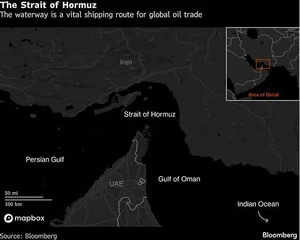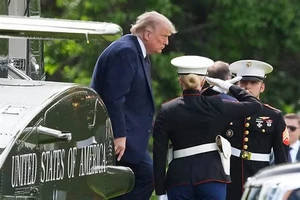
The recent escalation of tensions between Iran and the United States has sent shockwaves through the global oil market, leading to a surge in crude oil prices and subsequent gas price hikes across the United States. Just days ago, President Donald Trump celebrated declining gas prices as a positive indicator of his administration's economic policies, but the renewed volatility in the oil market is raising concerns among voters about the potential impact on household budgets and the broader economy. The situation is particularly sensitive, as voters are already expressing concerns about the economy heading into the election season.
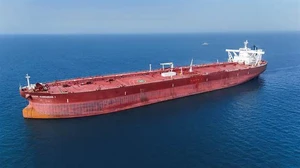
The strikes have heightened fears of further disruptions to oil supplies, a key factor influencing gas prices. While the United States is a major oil producer, it remains reliant on global markets, making it vulnerable to price shocks stemming from international events. The impact will likely be felt most acutely by lower-income households, who spend a larger portion of their income on transportation. Analysts predict that the price increases could persist depending on the ongoing geopolitical situation, underscoring the interconnectedness of the global economy and the potential for geopolitical events to impact everyday Americans.
The timing of this price increase is critical, as it comes at a time when voters are already expressing concerns about the economy. Rising gas prices could exacerbate those concerns and become a focal point in the political debate. The situation remains fluid, and it's unclear how long the price increases will last. However, the events involving Iran serve as a stark reminder of the potential for geopolitical events to impact everyday Americans and the importance of staying vigilant in the face of global economic uncertainty.