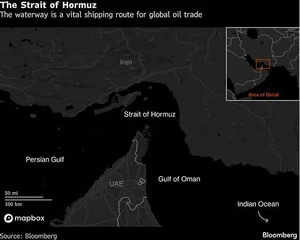
The latest consumer price data from the Labor Department reveals a significant 3.8% inflation surge in the US, largely attributed to the ongoing conflict with Iran. This sharp increase in consumer prices is a direct result of rising gasoline costs, which are impacting transportation costs and contributing to broader price increases across various goods and services.
The war's impact extends beyond geopolitical concerns to directly affect household budgets, underscoring the interconnectedness of global events and the US economy. As economists closely monitor the situation, its potential long-term effects on inflation and consumer spending remain a pressing concern. The Labor Department's report highlights the immediate economic consequences of the conflict in the Middle East, emphasizing the need for caution in the face of rising economic uncertainty.
While the full extent of the war's impact remains to be seen, the initial effects are already evident in the nation's inflation rate. As the situation continues to unfold, it is essential to remain vigilant and adapt to the changing economic landscape. The US economy's resilience will be put to the test as it navigates the complexities of international conflicts and their impact on domestic economic challenges.