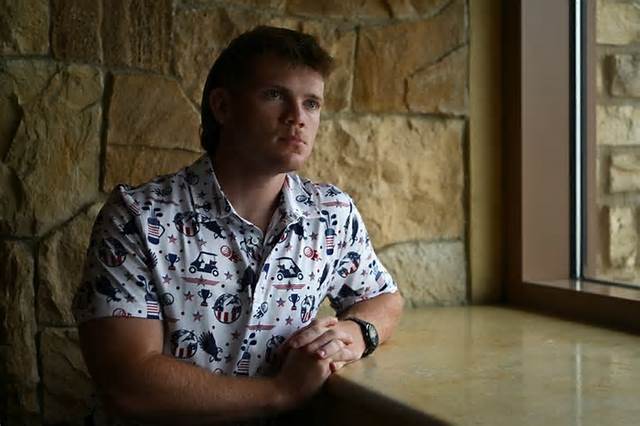
The Conservative Political Action Conference (CPAC) in Grapevine, Texas, recently highlighted a significant generational divide within the Republican party regarding support for Israel. This divide was evident in the speeches and discussions among attendees, with some questioning the extent of U.S. financial aid to Israel.
Former Congressman Matt Gaetz sparked the debate by openly aligning himself with a segment of the Republican party that is reassessing the U.S.-Israel relationship. This shift reflects broader changes within the party as younger voters increasingly prioritize domestic issues and question long-standing foreign policy stances. Several speakers at CPAC addressed the topic, with some echoing Gaetz's sentiments and calling for greater scrutiny of aid packages.
The discussions underscored a potential challenge for the Republican party as it navigates evolving public opinion and seeks to appeal to a diverse electorate. The generational divide isn't just about financial aid; some younger Republicans also expressed concerns about the Israeli government's policies towards Palestinians, a viewpoint less common among older conservatives. This complexity adds another layer to the debate, making it clear that Republican support for Israel is no longer a monolithic position.
The conversations at CPAC suggest that this issue is likely to remain a point of contention within the party for the foreseeable future, particularly as the 2024 election cycle approaches and candidates seek to define their positions on foreign policy. As the party navigates this complex issue, it will be essential to consider the perspectives of younger voters and the evolving public opinion on U.S. foreign policy.