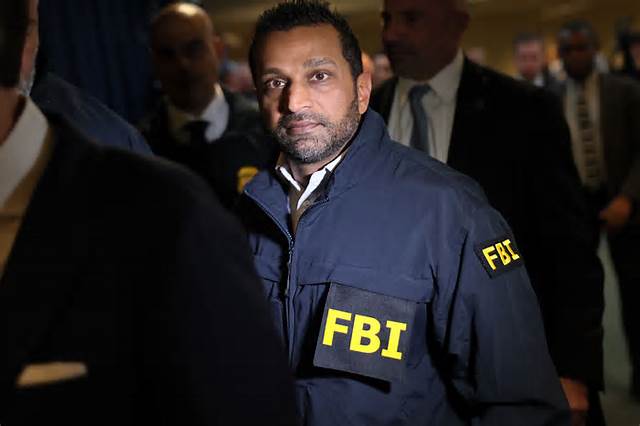
FBI Director Kash Patel's decision to push for the release of a 10-year-old investigative file concerning Rep. Eric Swalwell (D-California) and a suspected Chinese intelligence operative has sparked concerns within the FBI and raised questions about Patel's motives. The file, which details interactions between Swalwell and the suspected operative, has been the subject of internal resistance, with sources indicating that Patel has been actively working to declassify and release the file despite opposition from within the agency.
The controversy surrounding the Swalwell file highlights ongoing tensions between Patel and elements within the FBI. Patel, a former Trump administration official, has publicly criticized Swalwell's past security clearances and associations, and his actions have prompted questions about the potential for political interference in intelligence matters. The Justice Department has not yet commented on the matter, and the timeline for any potential release of the file remains uncertain. The controversy underscores the sensitivity of intelligence operations and the potential for political scrutiny surrounding national security issues.
The file's contents, if released, could have significant implications for Swalwell's political career and the broader debate over foreign influence in American politics. Swalwell, representing California's 14th congressional district, previously disclosed in 2020 that the FBI had informed him about an effort by a Chinese operative to gather information through relationships with political figures. He cooperated with the FBI and cut ties with the individual in question, stating at the time that he was unaware of the operative's intentions. The renewed focus on the Swalwell file highlights the complexities of intelligence operations and the need for transparency and accountability in national security matters.