The rise of sophisticated AI-generated deepfakes has sparked concerns over their potential impact on the 2026 US midterm elections. A recent report highlights the increasing realism of these fabricated videos, which could blur the lines between reality and misinformation for voters.
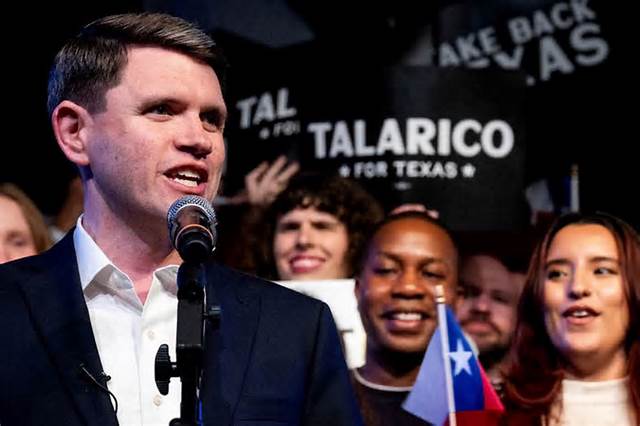
The report, based on an analysis of emerging AI technology, focuses on the potential for creating convincing videos of candidates saying or doing things they never did. For instance, the report illustrates a video featuring Democratic Texas State Representative James Talarico appearing to stand in front of a Texas flag, with the video falsely portraying him as "radicalized." This fabricated scene serves as a stark example of the deceptive capabilities of current AI technology.
Experts warn that the increasing accessibility and sophistication of deepfake technology pose a significant challenge to the integrity of upcoming elections. The ease with which these videos can be created and disseminated across social media platforms amplifies the risk of widespread misinformation and voter confusion. The rapid advancement of AI models specifically designed for generating realistic video and audio content is accelerating this threat. While safeguards and detection methods are being developed, many experts believe they will struggle to keep pace with the evolving technology.
The report emphasizes the need for increased public awareness and media literacy to help voters critically evaluate online content and identify potential deepfakes. Furthermore, it suggests the need for stronger regulations and policies to address the creation and distribution of deceptive AI-generated media before the 2026 midterm elections.