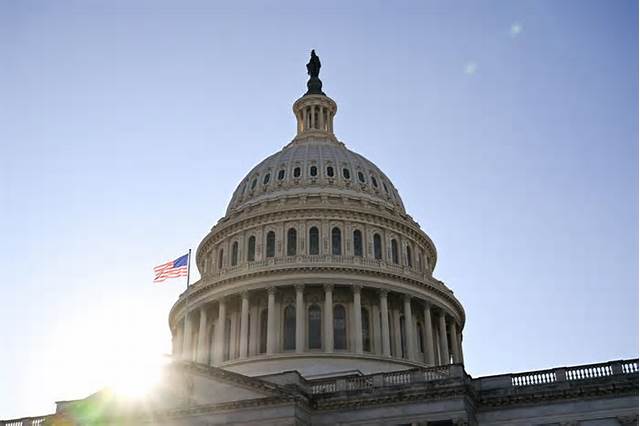
The United States Congress is preparing to take a crucial step in asserting its authority over the country's military actions, particularly in the wake of escalating tensions with Iran. A potential vote next week on a resolution aimed at reasserting Congress's power to declare war could significantly impact the president's options for responding to Iranian actions and shape the future of U.S. policy in the region. The move comes as the administration reportedly considers potential strikes in response to the ongoing crisis in the Middle East.
The resolution, which would seek to limit the president's ability to wage war against Iran without explicit authorization from the legislative branch, has sparked a heated debate over the balance of power between the executive and legislative branches in matters of national security and military intervention. While the president has broad authority in foreign policy, Congress holds the power to declare war under the U.S. Constitution. Lawmakers on both sides of the aisle have expressed reservations about unilateral action against Iran, emphasizing the need for a diplomatic solution and congressional oversight.
The timing of the vote remains fluid, dependent on the evolving situation in the Middle East and ongoing consultations between lawmakers and the administration. The outcome of the vote could have far-reaching implications for the future of U.S. policy in the region and the president's options for responding to Iranian actions. The resolution is expected to face a complex political landscape, with potential challenges in securing sufficient support to overcome a presidential veto.