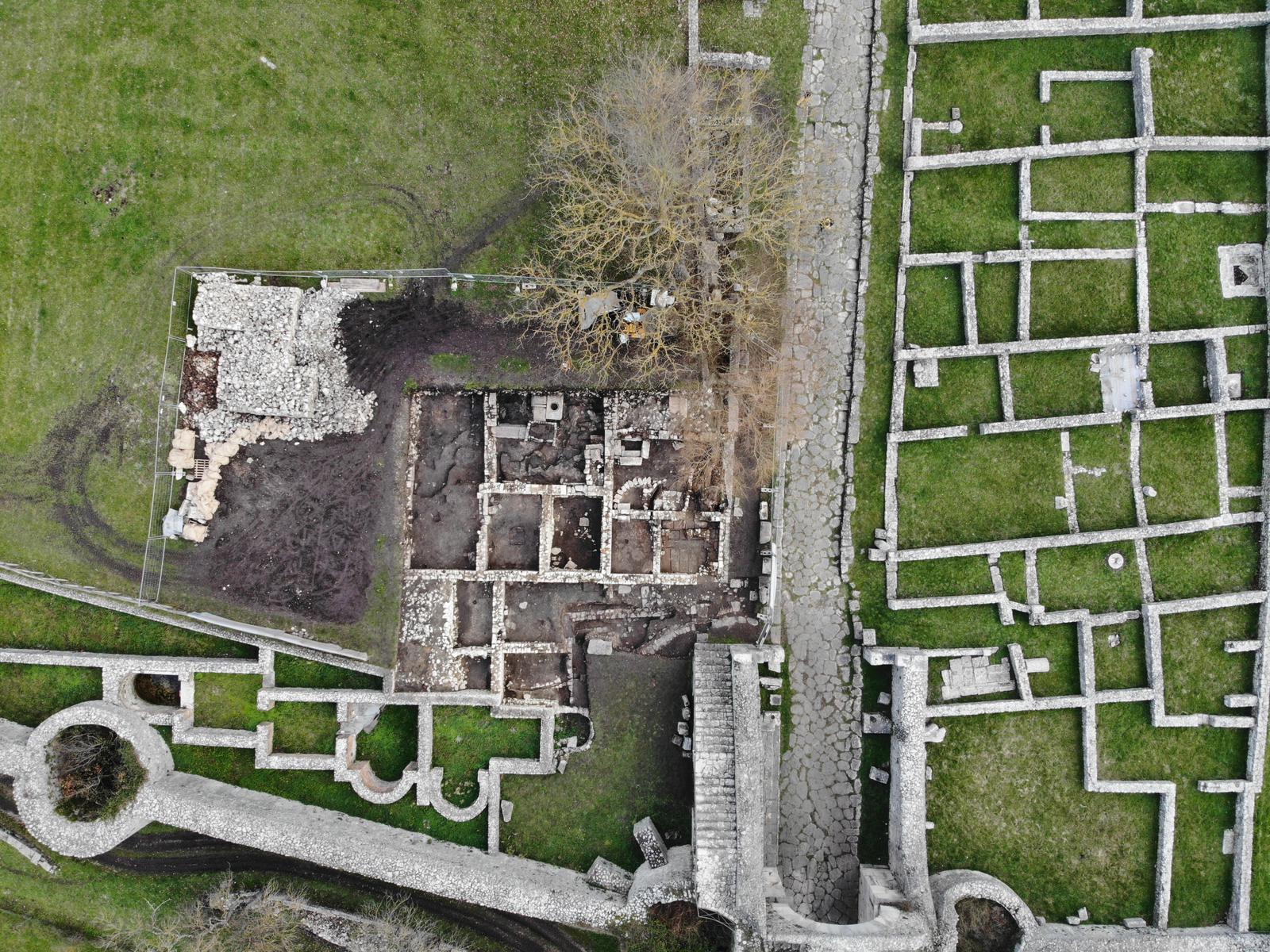
Archaeologists have made a remarkable discovery in Saepinum, Italy, a remarkably well-preserved ancient Roman house containing advanced water technology, rare artifacts, and a trove of treasures. The find offers unprecedented insight into daily life and engineering prowess of the Roman era. The house, unearthed during ongoing excavations in the Samnium region, showcases sophisticated water management systems previously unseen in such residences. Researchers are particularly intrigued by the complex network of pipes and reservoirs, suggesting a level of hydraulic engineering that surpasses initial expectations for homes of this period. Details regarding the specific technology are still being analyzed, but preliminary findings indicate a system for both water supply and potentially waste disposal.
Alongside the advanced water system, the excavation revealed a collection of rare artifacts, including pottery, tools, and decorative objects. These items provide valuable clues about the inhabitants' lifestyle, social status, and artistic tastes. The presence of treasure – the nature of which has not been fully disclosed – further underscores the significance of the discovery and hints at the wealth and prosperity of the household. Saepinum, an ancient Samnite and Roman town, has been the focus of archaeological investigations for years, yielding numerous important finds. However, this latest discovery is considered exceptional due to the house's remarkable state of preservation and the combination of advanced technology, rare artifacts, and treasures found within.
The ongoing research promises to shed further light on the history and culture of Roman Italy, and the site is expected to become a valuable resource for scholars and a significant tourist attraction. Experts are currently working to catalog and analyze all the recovered items. Further updates on the findings and the ongoing excavation will be released as they become available. The Italian Ministry of Culture is overseeing the project, ensuring the preservation and protection of this invaluable historical site.