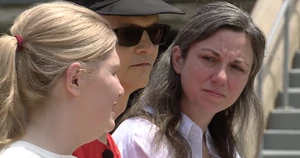
Families in Fort Myers and across Florida are finding renewed hope as advancements in DNA technology offer a potential breakthrough in solving thousands of unsolved murder cases. Florida currently has over 21,000 cold cases, defined as those that have remained unsolved for a significant period, often years or decades. In Fort Myers alone, approximately 150 cases fall under this category, leaving families like the Hendley family in a perpetual state of uncertainty. Denae Hendley, whose family has been impacted by an unsolved murder, is among those clinging to the possibility of closure. She is intimately familiar with the details surrounding the case, recalling specific locations like Lillie Street, where events unfolded that continue to haunt her family.
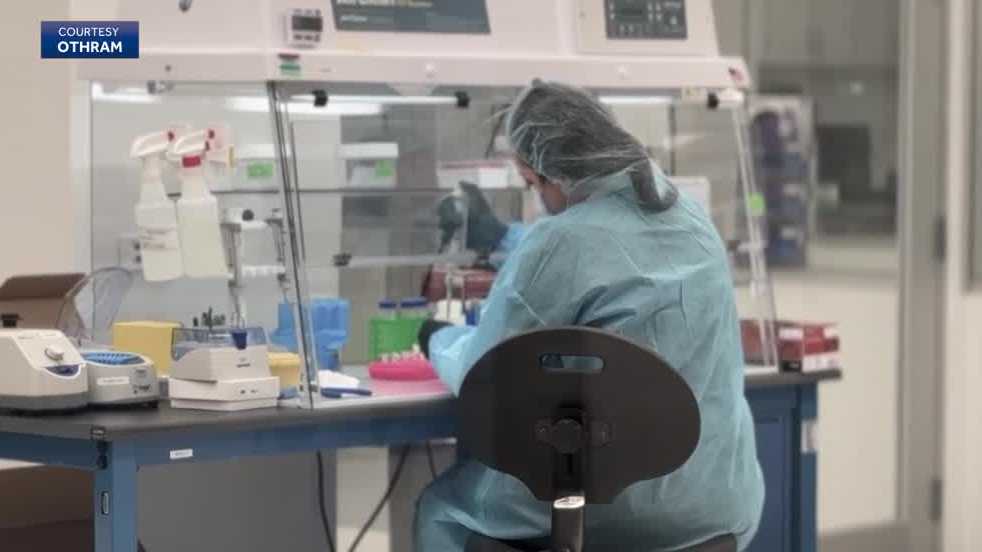
The new DNA technology, which wasn't available during the initial investigations, allows forensic scientists to analyze previously unusable samples. This includes degraded DNA and samples from crime scenes where only trace amounts of genetic material were present. The process often involves techniques like genealogical DNA analysis, where DNA profiles are compared to public databases to identify potential relatives of the perpetrator, eventually leading to a suspect. Law enforcement agencies throughout Florida are actively exploring the use of this technology to re-examine cold cases, hoping to extract new leads and potentially bring justice to victims and their families.
While the process is complex and time-consuming, the potential for solving long-unresolved crimes is significant, offering a glimmer of hope for those who have waited years for answers. The Hendley family, like many others, remains cautiously optimistic that this new technology may finally provide the resolution they desperately seek. As Denae Hendley puts it, "We're not giving up hope. We're holding on to the possibility that this technology might bring us the answers we've been searching for."