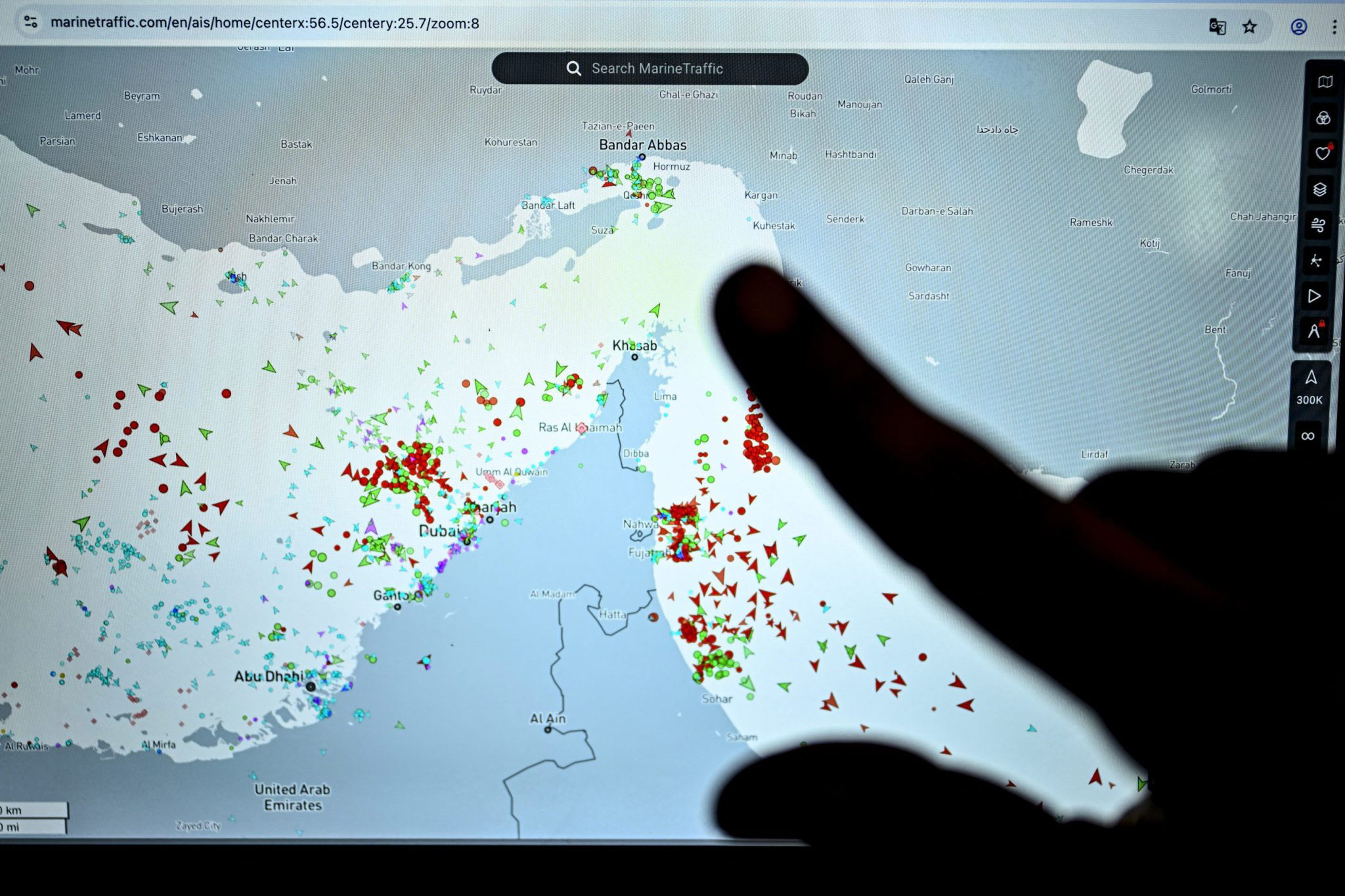
The traditional notion that controlling strategic geographic locations equates to controlling global power is rapidly changing, according to analysts. A shift is underway, with technological advancements increasingly eclipsing territorial dominance in the energy sector. This evolving landscape challenges established power structures and redefines the future of energy production and distribution. Historically, control over chokepoints like the Strait of Hormuz, a critical waterway for oil transport, has been a significant source of geopolitical leverage. However, innovations in renewable energy sources, energy storage, and digital infrastructure are diminishing the importance of physical control over resources and transit routes. The ability to efficiently produce, store, and transmit energy—regardless of location—is becoming the primary determinant of power.
The technological shift is driven by several factors. The declining cost of renewable energy technologies like solar and wind power allows nations to generate electricity domestically, reducing their reliance on imported fossil fuels. Advancements in battery storage technology address the intermittency of renewable sources, ensuring a more reliable energy supply. Furthermore, smart grids and digital energy management systems optimize energy distribution and reduce waste. This transformation has significant implications for international relations and global trade. Nations that invest heavily in energy technology and infrastructure are likely to gain a competitive advantage, while those reliant on controlling traditional energy resources may see their influence wane.
The focus is moving from securing territory to securing technological leadership in the energy sector, marking a fundamental shift in the global power balance. As the world becomes increasingly interconnected, the ability to harness and manage energy resources will become a key driver of economic growth and political influence. The future of power will be shaped by those who can effectively leverage technology to produce, store, and transmit energy, rather than those who control physical territory.