
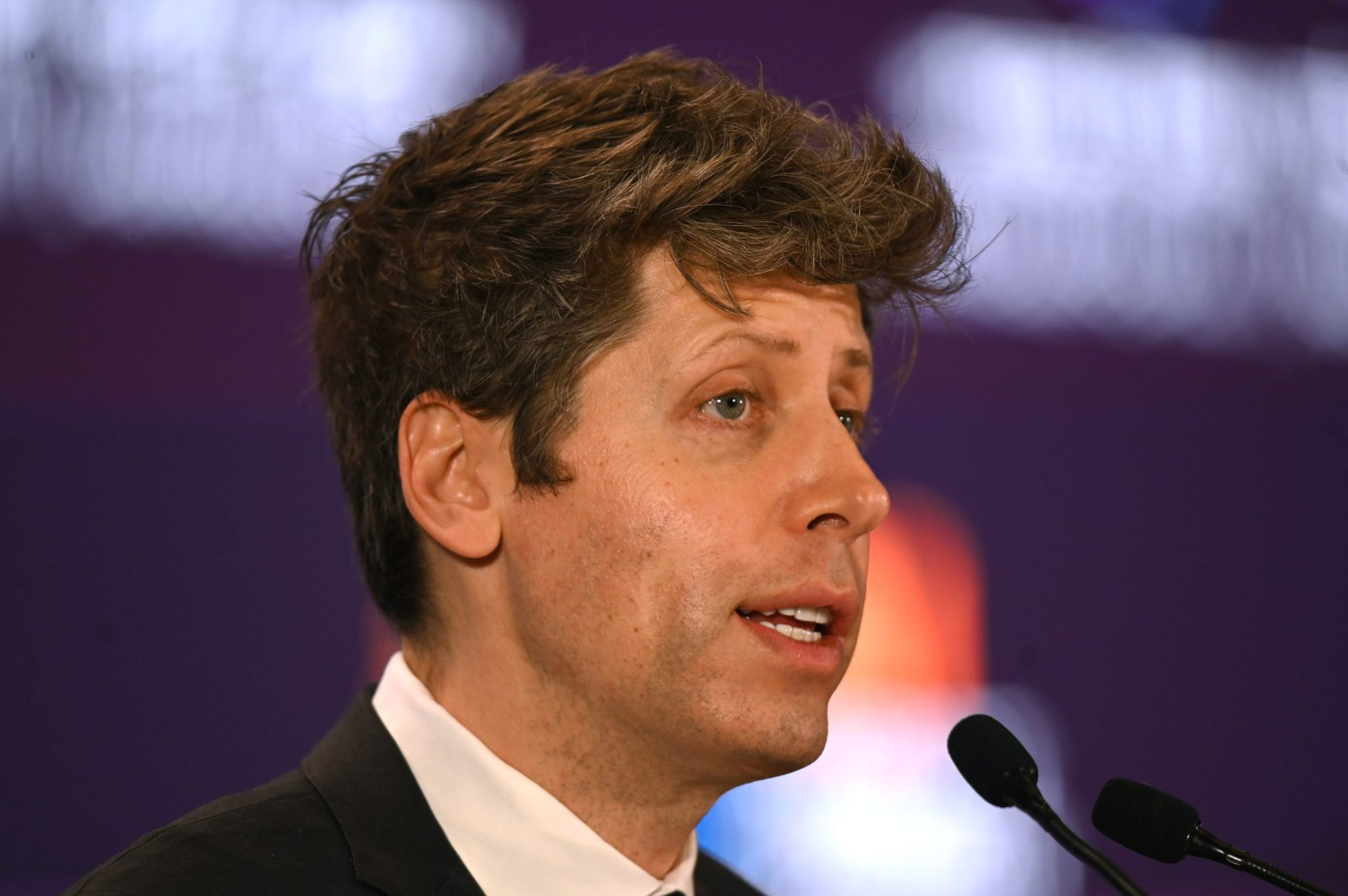
As the world grapples with the rapid advancement of artificial intelligence (AI), concerns about its impact on the job market have become increasingly prominent. Sam Altman, CEO of OpenAI, has shed light on a phenomenon he terms "AI washing," where companies attribute unrelated layoffs to the influence of AI, in an attempt to justify pre-existing decisions to reduce staff. This practice raises questions about transparency and the potential to mislead investors and the public regarding the true drivers of workforce changes.
Altman's remarks come amidst growing scrutiny of businesses citing AI as a reason for workforce reductions, even when the connection appears tenuous. While he concedes that AI will ultimately displace workers, he predicts that this impact is not yet fully reflected in current labor market data. This aligns with observations made by several economists who have noted a lack of clear correlation between AI adoption and significant job displacement within the broader economy. The term "AI washing" implies that companies are strategically leveraging the buzz surrounding AI to justify pre-existing decisions, potentially to improve financial performance or restructure operations.
Despite the current absence of clear data, Altman maintains that the eventual impact of AI on the job market is inevitable. He suggests that as AI capabilities continue to advance and become more integrated into various industries, a more substantial wave of job displacement is likely to occur. The timing and scale of this impact remain uncertain, but Altman's perspective highlights the ongoing debate surrounding the long-term economic consequences of AI development and implementation.


