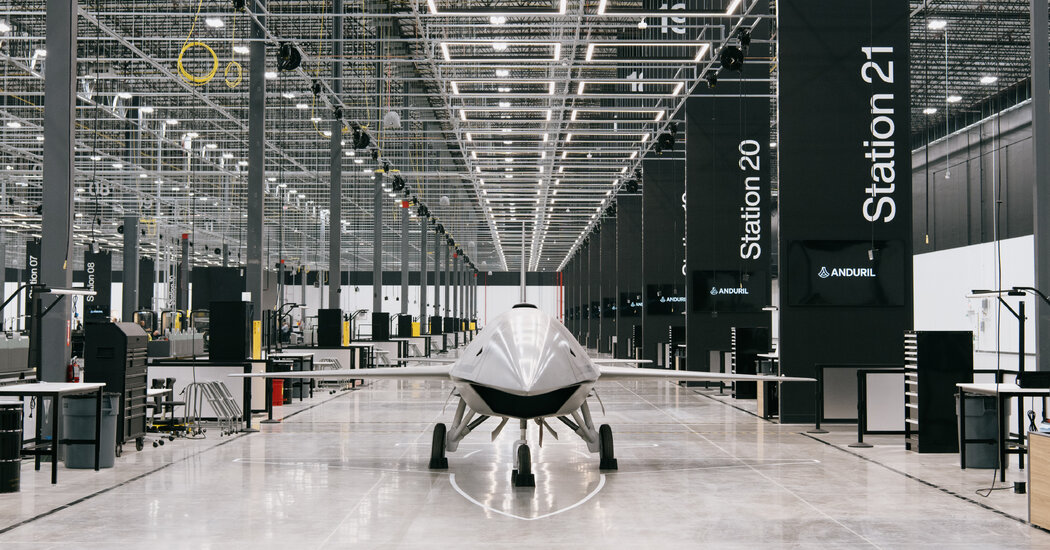
The world is witnessing a new era of technological competition, as the United States, China, and Russia engage in a high-stakes **artificial intelligence (AI) arms race to gain a strategic military edge. This global contest involves significant investment and research into autonomous weapons systems, AI-driven surveillance technologies, and advanced military robotics. Each nation seeks to develop systems that can operate with minimal human intervention and enhance battlefield capabilities, raising concerns about potential destabilization and the future of warfare.
The rapid development of AI-powered military systems has prompted comparisons to the early days of the nuclear arms race, with experts warning that the unchecked development of AI weapons could lead to unintended consequences, including accidental escalation, algorithmic bias in targeting, and a reduction in human control over critical military decisions. The absence of clear international regulations governing AI in warfare further exacerbates these concerns, with some advocating for a preemptive ban on fully autonomous weapons and others emphasizing the need for robust ethical guidelines and transparency in AI military development.
The current AI arms race reflects a broader geopolitical competition where technological superiority is increasingly viewed as a key determinant of national power. As AI technology continues to advance, the stakes in this competition are likely to rise, demanding careful consideration of the potential risks and benefits for global security. The development of AI-powered military systems, including drone technology, predictive analytics for military operations, and AI-powered cyber warfare tools, is likely to continue, with each nation seeking to gain a strategic advantage through AI.