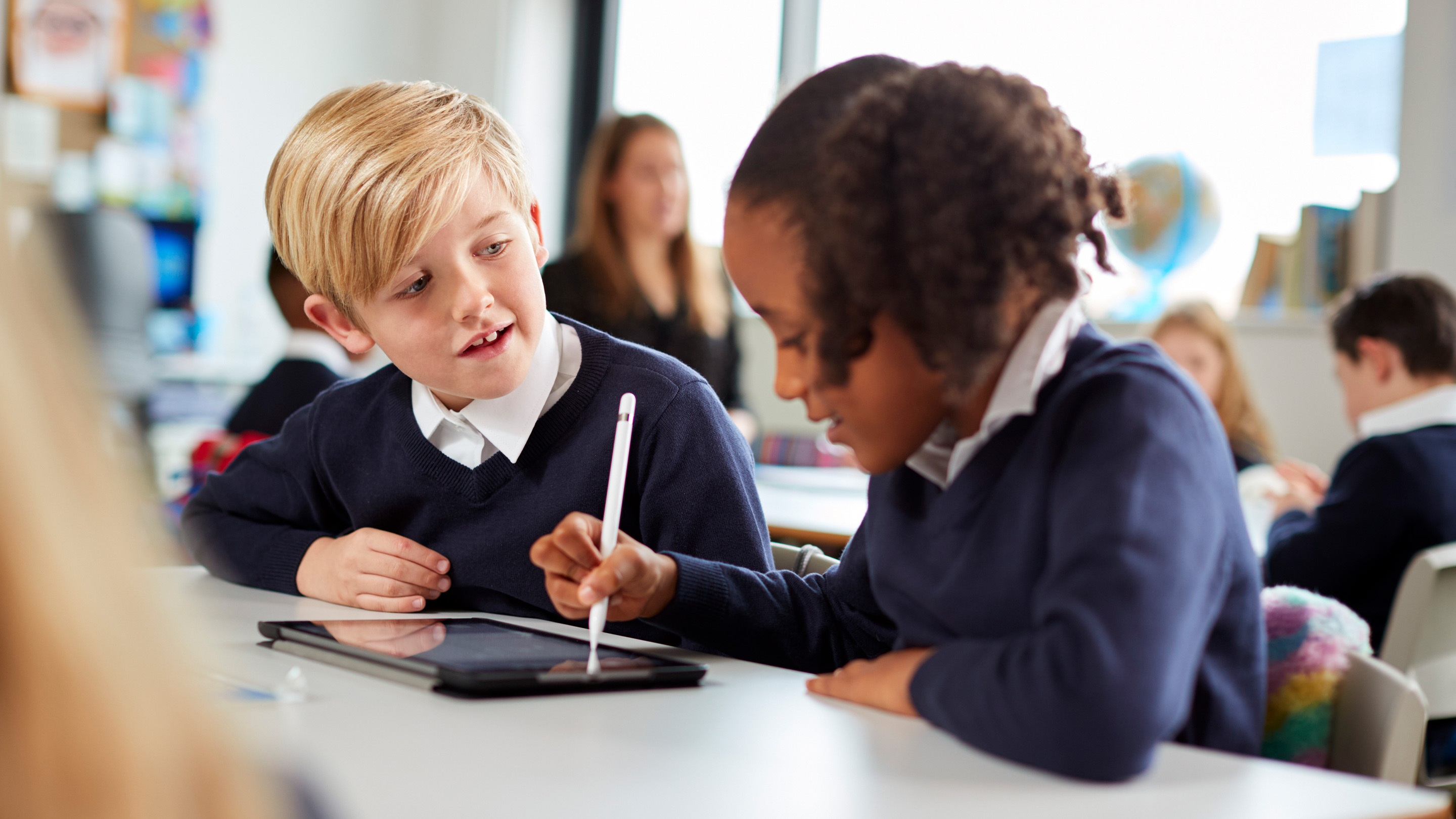
Teachers are leveraging technology to revolutionize the way they guide student math discussions, providing a more data-driven approach to instruction. By listening to recordings of students as they work through math problems, educators can identify areas where students are struggling, pinpoint misconceptions, and tailor their teaching strategies accordingly.
This approach enables teachers to analyze student thought processes in detail, providing deeper insights than traditional methods. Crucially, the analysis of these recordings informs decisions about student grouping, allowing teachers to strategically pair students who are struggling with those who demonstrate a strong understanding of the concept. This peer-to-peer learning can be a powerful tool for reinforcing concepts and addressing individual needs.
By actively listening to student problem-solving, teachers gain a clearer picture of student understanding, paving the way for more effective interventions and fostering a more engaging and productive learning environment. This shift towards more personalized and responsive math instruction represents a significant step forward in education technology, with the potential to transform the way we teach and learn math.