The world is witnessing a significant shift in the way seniors age, with technology playing a vital role in enabling them to remain in their homes as they grow older. This emerging field of "age tech" is addressing caregiving shortages and providing peace of mind for millions of Americans. The technology aims to bridge gaps in care and support independent living for seniors who desire to age in place, maintaining their independence and familiar surroundings.
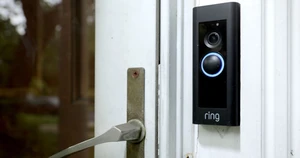
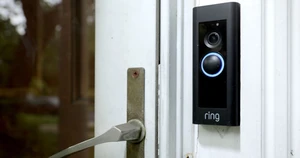
The range of products and services offered by age tech is diverse and innovative. Smart home devices can monitor activity and detect falls, while telehealth platforms connect seniors with healthcare providers remotely. Wearable sensors can track vital signs and alert family members or emergency services in case of a health concern. Automated medication dispensers ensure seniors take their prescriptions on time, and robotic companions offer social interaction and assistance with daily tasks. These solutions are designed to alleviate some of the burden on both seniors and their families, who often face challenges balancing their own responsibilities with the demands of caring for an aging loved one.
The need for age tech is driven by several factors, including the rapidly aging American population. The number of Americans aged 65 and older is projected to double by 2060, placing increasing strain on traditional caregiving systems. While age tech holds significant promise, challenges remain. Cost can be a barrier for some seniors, and ensuring data privacy and security is crucial. User-friendliness is also essential, as technology must be accessible and easy to use for older adults with varying levels of tech literacy. However, as the field continues to evolve and costs decrease, age tech is expected to play an increasingly important role in supporting healthy and independent aging for millions of Americans.