
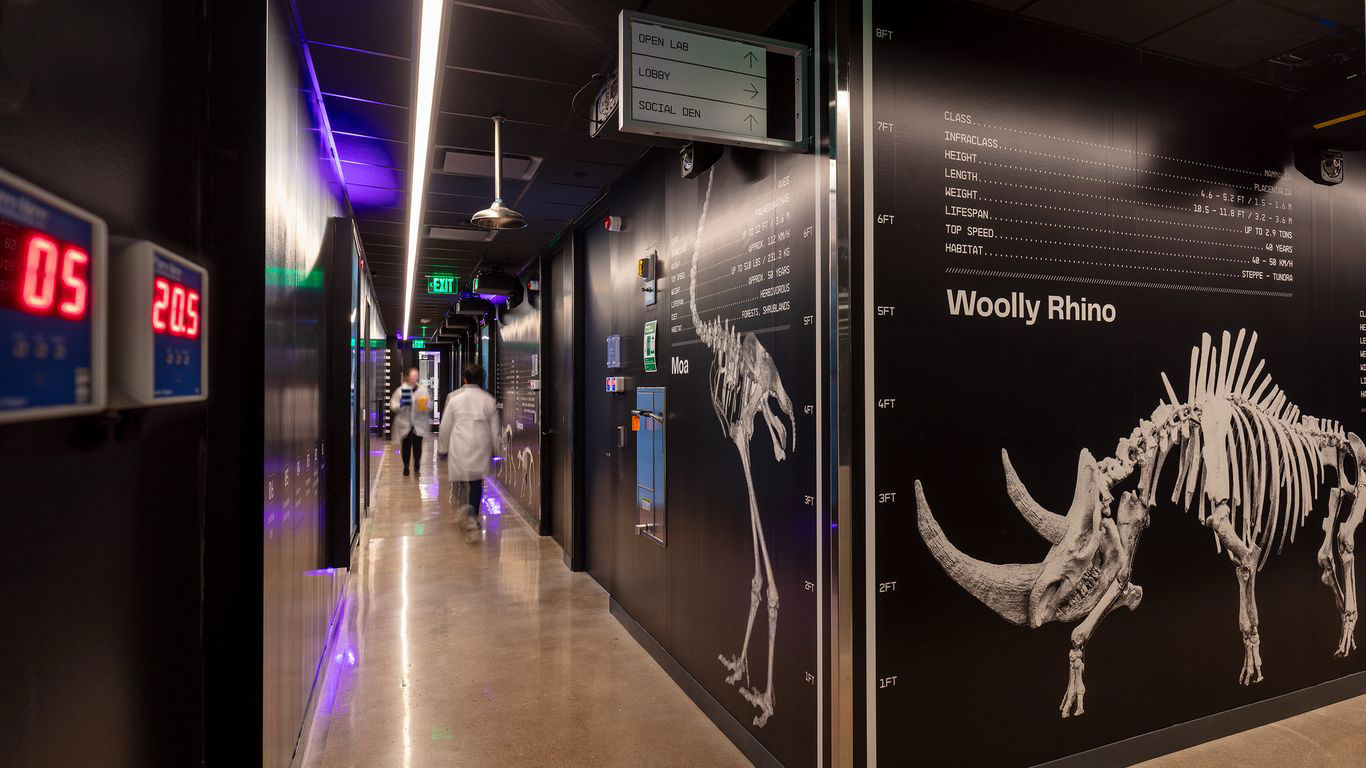
Colossal Biosciences, a Dallas-based biotech company, is at the forefront of a groundbreaking approach to de-extinction. By harnessing the power of gene editing technology, they aim to bring back extinct species, such as the woolly mammoth and the Tasmanian tiger. The company's scientists are leveraging ancient DNA extracted from long-gone creatures and comparing it to the genomes of their closest living relatives. This comparative analysis allows researchers to identify key genetic differences and determine how to recreate the traits of the extinct species.
The process is not about creating exact replicas, but rather building an 'elephant' or 'mammoth' that embodies the characteristics of the extinct animal. Colossal's initial focus is on the woolly mammoth and the Tasmanian tiger, with ongoing research exploring other possibilities. The team focuses on identifying the genes responsible for traits like thick fur, cold resistance, and specific behaviors, then strategically editing the DNA of their living relatives to incorporate those characteristics. This technology builds upon existing gene editing techniques, such as CRISPR, which are already widely employed in fields like medicine, agriculture, and livestock management.
The application to de-extinction represents a significant expansion of these capabilities, moving beyond disease treatment and crop modification to potentially reshape the natural world. While the scientific challenges are considerable, the potential benefits of de-extinction are also attracting considerable attention. Advocates suggest that reviving extinct species could restore ecosystems, combat climate change, and offer valuable insights into evolutionary biology. Colossal Biosciences' work represents a bold step into this emerging field, raising both excitement and ethical considerations about the future of conservation and the potential impact on existing biodiversity.


