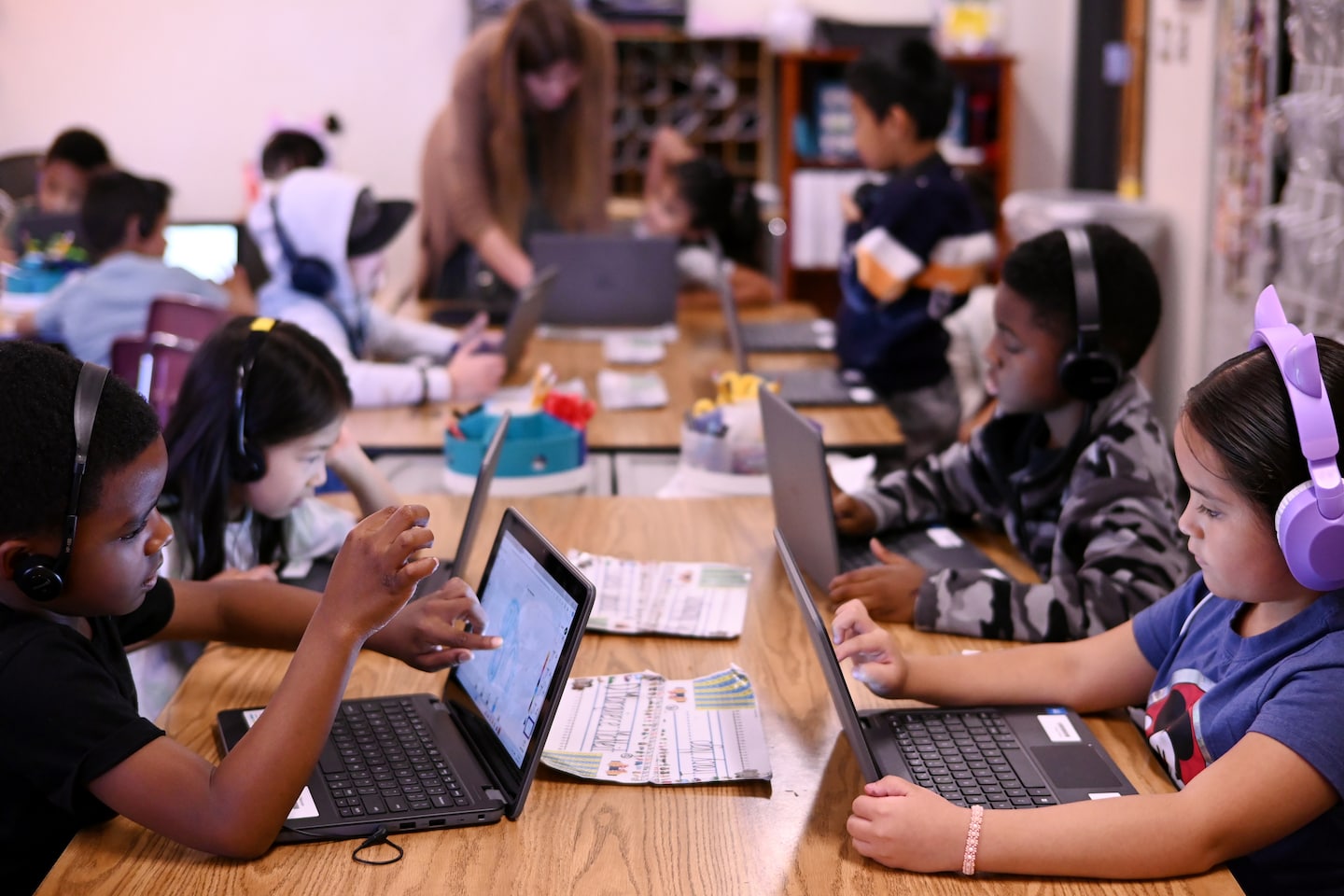
As the nation's schools continue to navigate the complexities of modern education, a growing number of states are reevaluating the role of technology in the classroom. This shift in focus is driven by concerns about the potential impact of excessive screen time on student development, well-being, and academic performance. With billions of dollars invested in educational technology in recent years, policymakers and educators are now questioning whether the benefits outweigh the drawbacks.
Proposed policies aimed at curbing technology use in classrooms vary by state, but common themes include establishing daily or weekly limits on screen time, providing families with the ability to choose traditional, in-person instruction over virtual alternatives, and encouraging schools to prioritize offline learning activities. Some states are also exploring guidelines for selecting age-appropriate and pedagogically sound educational software and devices. This shift comes after a period of rapid technological integration in schools, accelerated by the COVID-19 pandemic and the widespread adoption of remote learning.
While technology has undoubtedly offered new opportunities for instruction and access to resources, concerns about digital equity, student engagement, and the potential for distraction have also emerged. The current reassessment suggests a desire to strike a balance between leveraging technology's potential and safeguarding students' overall development. The debate is likely to continue as states grapple with how to best utilize technology in education while addressing concerns about screen time and ensuring that all students have access to a well-rounded learning experience.