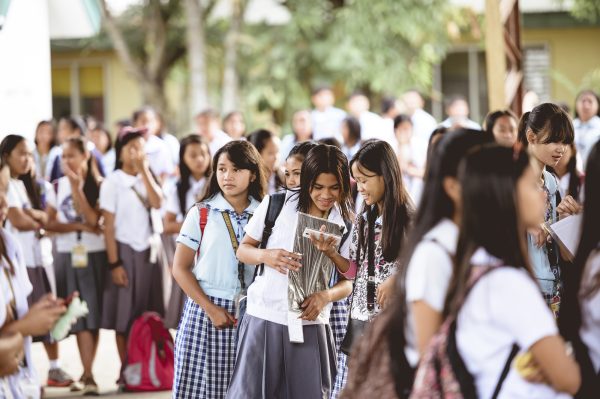
The Philippines is facing a growing concern that threatens the future of its young women: the devastating impact of technology-facilitated violence on girls' access to education. Harassment, cyber-bullying, and online sexual exploitation are increasingly depriving young women of the opportunity to learn and thrive, according to recent reports. The issue highlights a critical challenge: ensuring that girls not only have access to schools and learning materials but are also protected from harm both physically and digitally. Without a safe environment, the benefits of education are significantly diminished.
The specific methods of abuse range from direct threats and intimidation to the sharing of private images and videos without consent, all conducted through online platforms. Experts emphasize that the pervasive nature of technology means that girls are vulnerable to these forms of violence at any time and in any place. This constant threat creates a climate of fear that can prevent girls from attending school, participating in class, and pursuing their academic goals. The psychological toll of such experiences can be severe, leading to anxiety, depression, and social isolation.
Addressing this problem requires a multi-faceted approach, including stronger legal protections, increased awareness campaigns, and improved digital literacy education for both girls and their communities. Schools, families, and policymakers all have a role to play in creating a safer online environment and ensuring that girls can continue their education without fear of harassment or exploitation. The long-term consequences of inaction are significant, potentially hindering the progress of girls and limiting the overall development of the Philippines.