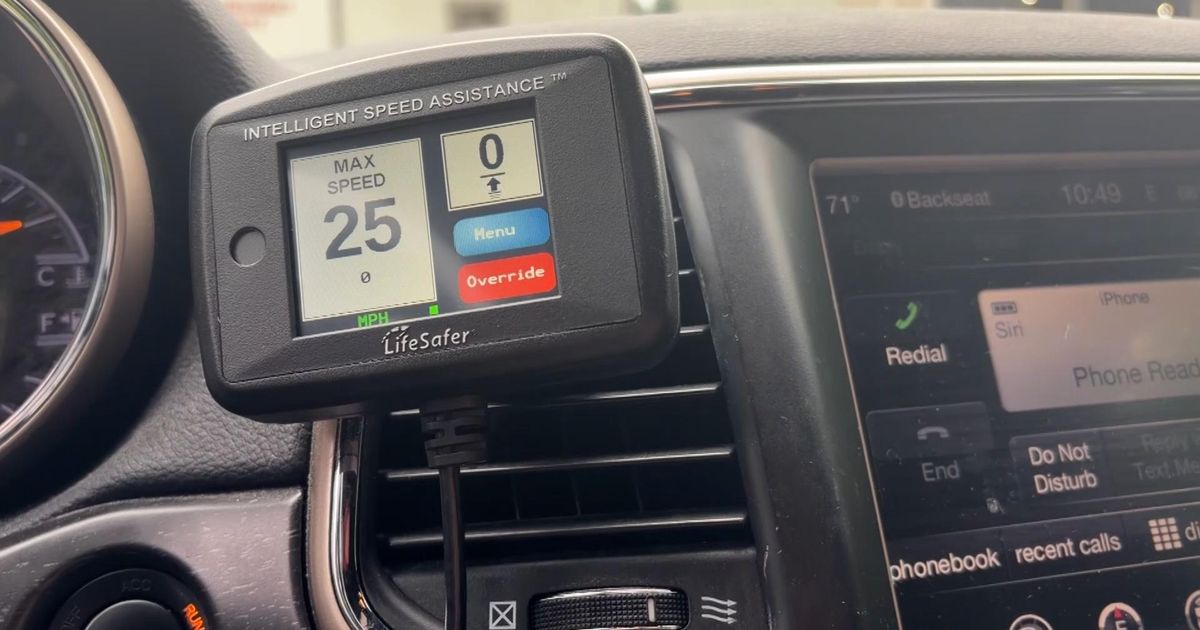
North Carolina lawmakers are considering legislation that could soon make the state a pioneer in using technology to curb speeding and other dangerous driving habits. The proposed technology has the potential to save lives and reduce rising insurance premiums across the state, making it an attractive solution for advocates and insurance companies alike.
The technology targets drivers with a documented history of speeding violations and other reckless driving behaviors. While details about the specific technology remain limited, the core concept involves identifying and potentially restricting the driving privileges of repeat offenders. Supporters argue that this targeted approach is more effective than broad measures that affect all drivers, and that it could involve measures such as increased fines, mandatory driver education programs, or even temporary suspension of driving privileges.
The push for this legislation comes as concerns about traffic safety escalate in North Carolina. Data indicates a recent increase in speeding-related accidents and fatalities, contributing to higher insurance costs for all drivers. Insurance companies often cite risky driving behavior as a major factor in premium increases, making the prospect of reducing dangerous driving practices particularly appealing. Advocates emphasize that the technology, if approved by lawmakers, would not be a blanket restriction but rather a focused intervention for those who consistently demonstrate dangerous driving behaviors.
The debate over the technology's implementation is likely to center on concerns about privacy and due process. Critics may argue that such measures could infringe on individual rights and that there needs to be robust safeguards to prevent errors or misuse. Proponents, however, maintain that the potential benefits—safer roads and lower insurance costs—outweigh these concerns, provided the technology is implemented responsibly and with appropriate oversight.