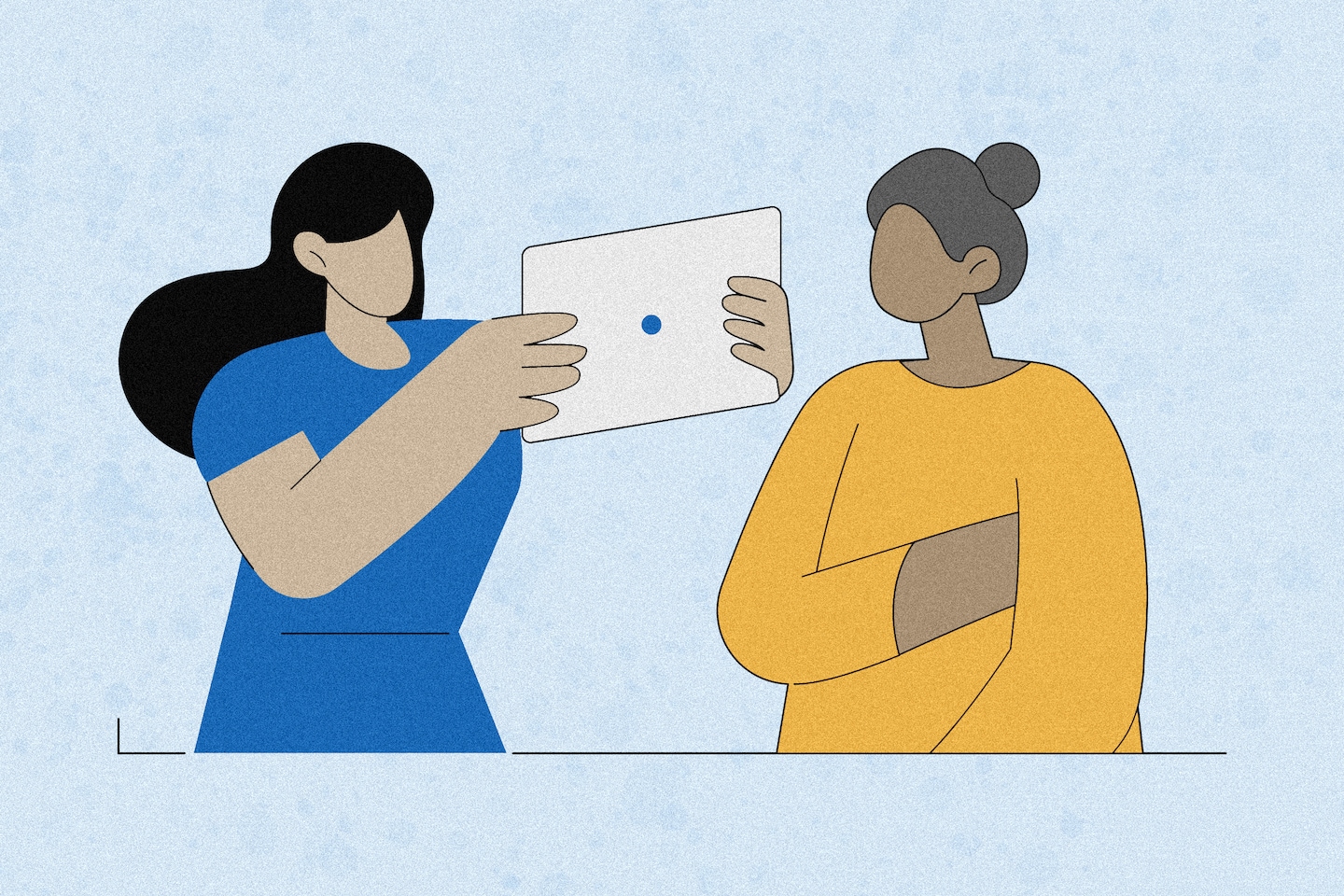
As the technology landscape continues to evolve at a rapid pace, computer scientists are recognizing a growing challenge: assisting aging parents and loved ones in utilizing increasingly complex digital tools. The shift presents a new layer of difficulty beyond basic device operation, with the increasing sophistication of AI agents and generative interfaces that tailor experiences and often operate without explicit user instruction.
Simple tasks like sending an email or video calling a family member, which once required a few straightforward steps, can now involve navigating unfamiliar algorithms and interfaces. This can be particularly perplexing for older adults who are accustomed to more traditional, command-based interactions. Experts in computer science are beginning to address this issue, acknowledging the need for tailored support and resources that prioritize clarity and ease of use for older adults.
The goal is to empower older generations to benefit from technology without feeling overwhelmed or excluded. This includes developing more intuitive design principles, creating educational programs and support networks to bridge the digital divide, and providing clear explanations and guidance to ensure that older adults can safely and effectively use emerging technologies. By doing so, we can help older adults stay connected with their loved ones, access important resources, and maintain their independence in the digital age.