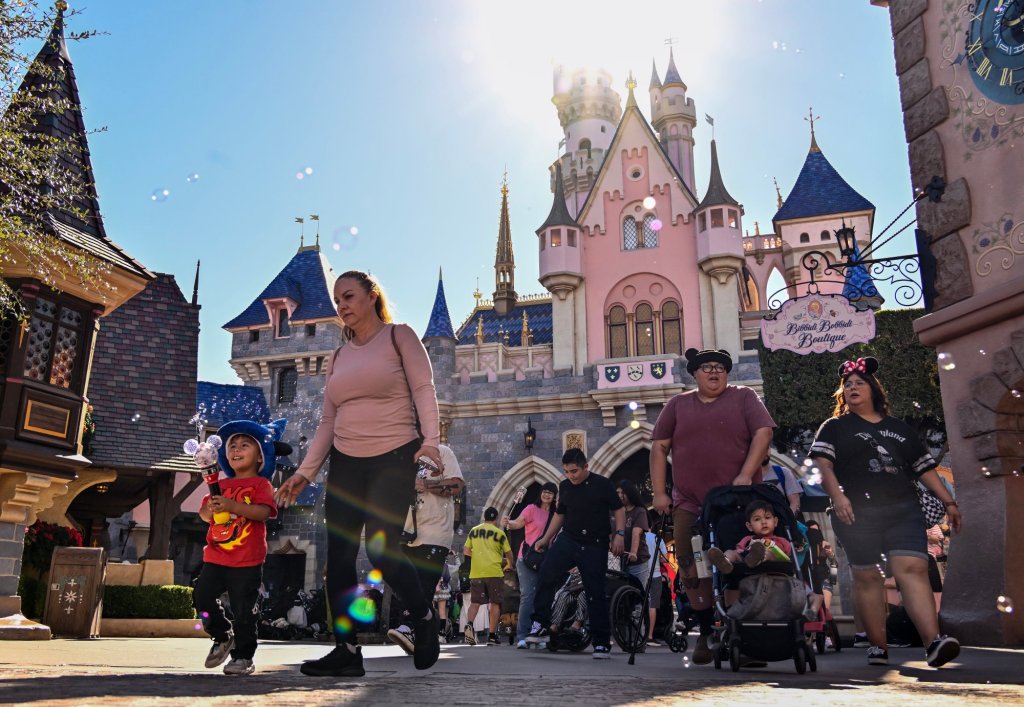
Disneyland, one of the world's most popular theme parks, is facing a $5 million class action lawsuit alleging the improper use of facial recognition technology to identify and track visitors. The lawsuit, filed on behalf of Disneyland visitors, claims the park's use of the technology violates California law and infringes on privacy rights. The core of the lawsuit centers around Disneyland's implementation of facial recognition systems at park entrances and within the park itself, raising concerns about the potential for misuse and profiling of guests.
The plaintiffs allege that the technology captures and stores biometric data without adequate consent or transparency, potentially leading to serious consequences. Specific legal claims reportedly include violations of the Illinois Biometric Information Privacy Act (BIPA) and similar California regulations. A Disneyland spokesperson has strongly refuted the claims, stating that the plaintiff's allegations are “without merit.” However, the spokesperson has not provided further details regarding Disneyland’s facial recognition policies or how the technology is currently employed within the parks.
Facial recognition technology has become increasingly prevalent in various industries, including retail, security, and entertainment. However, its use has also drawn scrutiny regarding privacy concerns and potential for bias. Several states and municipalities have enacted laws regulating the technology’s use, particularly concerning biometric data. This lawsuit against Disneyland highlights the growing legal challenges surrounding the implementation of facial recognition in public spaces, and could set a precedent for similar cases in the future. The case is expected to proceed through the courts, with further legal arguments and potential discovery to determine the validity of the plaintiffs' claims.