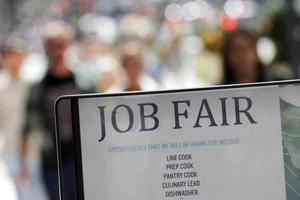
China's economic landscape is facing a significant challenge, despite the government's efforts to drive technological advancements and military modernization. The nation's economic slowdown is evident in declining consumer spending and rising unemployment, particularly among young adults. This contrasts sharply with China's ambitious technological goals and its drive to become a global leader in AI and electric vehicle production.
State-backed initiatives are funneling substantial resources into these sectors, aiming to stimulate growth and secure future competitiveness. However, the government's focus on long-term technological and military goals may be contributing to the current economic difficulties, requiring a recalibration of policy to address both short-term and long-term objectives. Analysts suggest that the government's priorities may be diverging from the immediate needs of its population, exacerbating the economic headwinds.
The government is reportedly exploring various policy measures to address the economic issues, including measures to boost consumer spending and create more job opportunities. However, the current economic climate highlights a complex situation for the country's leadership, as they navigate the challenges of balancing technological ambitions with economic reality. This delicate balance will be crucial in determining China's future economic trajectory and its ability to achieve its strategic objectives.