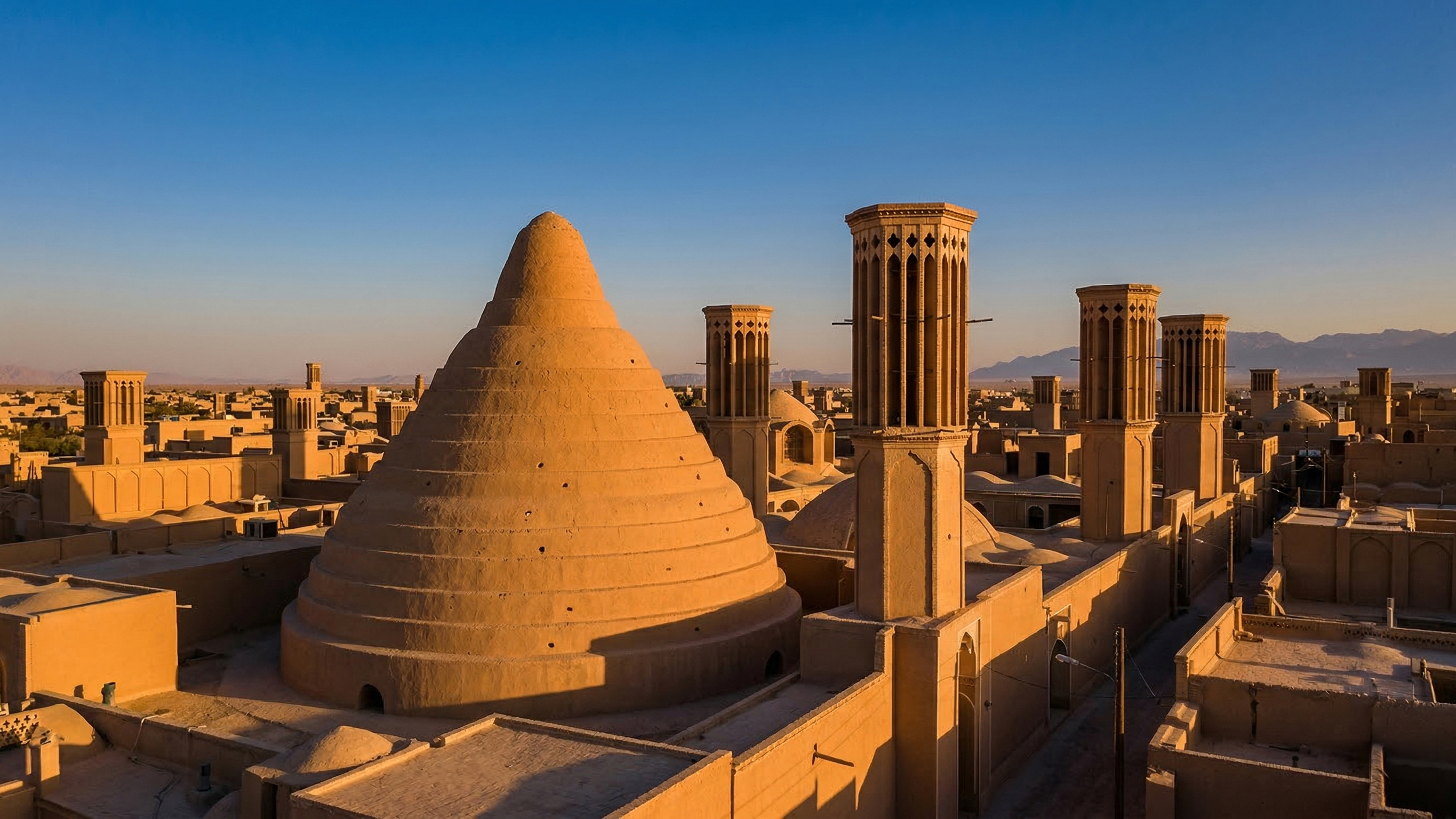
The scorching deserts of ancient Iran may seem inhospitable to modern eyes, but 5,000 years ago, the region was home to some of the most sophisticated civilizations in the world. Archaeologists are now shedding light on the remarkable technologies developed by these ancient Iranians, which allowed them to thrive in one of the harshest environments on Earth. Windcatchers, also known as badgirs, were a key innovation that captured prevailing winds and directed them down into buildings, providing natural ventilation and cooling – a precursor to modern air conditioning. The design maximized airflow to mitigate the intense desert heat, making it possible for people to live and work comfortably in the blistering temperatures.
Another crucial invention was the qanat system, a network of underground channels that transported water over long distances from aquifers to populated areas. This ingenious method minimized water loss through evaporation, a vital resource in arid regions. Qanats allowed for sustainable agriculture and supported larger settlements than would otherwise have been possible. The ancient Iranians also developed yakhchals, large, insulated structures that used evaporative cooling techniques to store ice produced during winter months, providing a source of refrigeration throughout the year. Thick walls and strategic design minimized heat transfer, preserving the ice for extended periods.
Furthermore, evidence suggests that ancient Iranians developed some of the earliest windmills, utilizing wind power for grinding grain and performing other tasks. While the exact timeline and extent of their use are still being researched, these early windmills demonstrate a pioneering spirit in harnessing renewable energy sources. The combined impact of these technologies – windcatchers, qanats, yakhchals, and early windmills – enabled ancient Iranian societies to adapt to and flourish in challenging desert landscapes, showcasing a level of technological advancement far ahead of its time. The rediscovery and study of these inventions provide valuable insights into sustainable practices and innovative engineering solutions relevant even today.