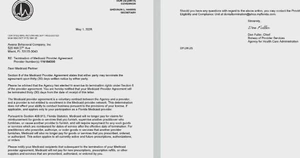
The Trump administration's efforts to combat government waste, fraud, and abuse have taken a hit after acknowledging the use of inaccurate data to initiate a Medicaid fraud investigation in New York. The admission has sparked widespread scrutiny regarding the methodology and transparency of federal initiatives aimed at rooting out government waste.
The investigation, which targets alleged fraud within New York's Medicaid program, was launched using incorrect figures. While the details of the specific errors and their potential impact remain under review, the acknowledgment raises concerns about the reliability of data underpinning such initiatives. The accuracy of data used to initiate investigations is crucial to maintain the integrity of the oversight process, particularly in the context of the federal government's role in overseeing Medicaid programs across the country.
The New York Medicaid program is a significant component of the state's healthcare system, providing coverage to millions of low-income residents. Allegations of fraud within the program have prompted increased scrutiny and oversight in recent years. Critics argue that the administration's admission undermines public trust and the legitimacy of anti-waste campaigns, highlighting the need for greater transparency and accountability in how federal initiatives are developed and presented to the public. Further investigation is expected to determine the scope of the data errors and their consequences for the ongoing Medicaid fraud investigation.