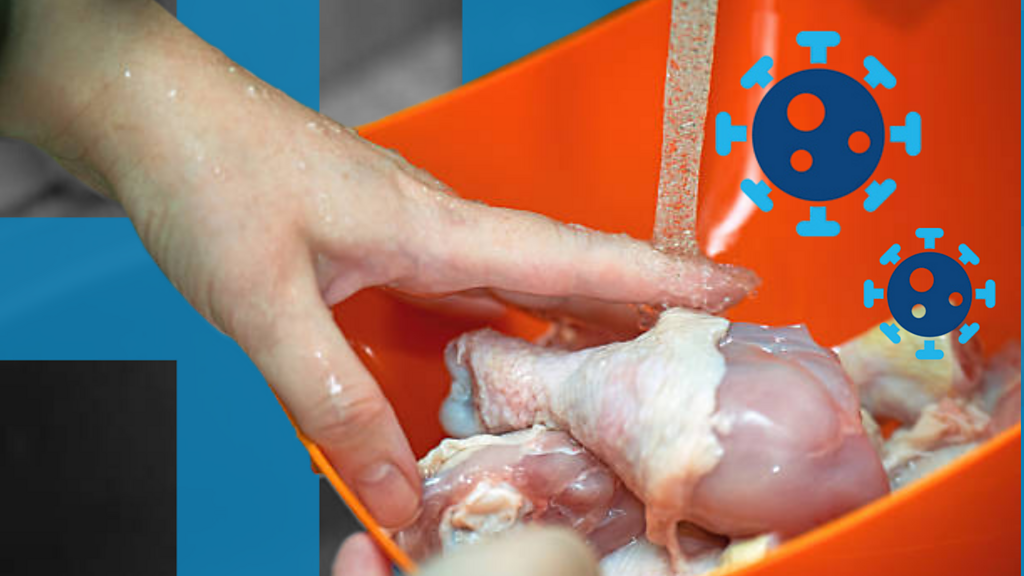
Washing chicken before cooking has become a common practice among home cooks, but health experts are increasingly warning against it. The debate on social media centers on whether rinsing raw chicken helps remove bacteria or inadvertently spreads harmful pathogens across the kitchen. The core concern is the potential for cross-contamination, which can lead to foodborne illness. Raw chicken often carries bacteria like Salmonella and Campylobacter, which can cause serious health issues if not handled properly.
The U.S. Department of Agriculture (USDA) has consistently advised against washing raw meat, poultry, and eggs. Their reasoning is that cooking chicken to the proper internal temperature (165°F or 74°C) effectively kills any harmful bacteria present. Washing does not eliminate the risk; it merely relocates it. Furthermore, the bacteria present on raw chicken are typically killed during the cooking process. Washing doesn't guarantee complete removal and can actually make the situation worse by dispersing bacteria. Proper food safety practices, such as using separate cutting boards for raw meat and vegetables, thoroughly washing hands, and ensuring chicken is cooked to a safe internal temperature, are far more effective in preventing foodborne illness.
The social media debate highlights a persistent misunderstanding about food safety. While the desire to ensure food safety is commendable, washing raw chicken is not the answer. Focusing on proper cooking techniques and preventing cross-contamination remains the most reliable approach to protecting oneself and one's family from foodborne illnesses. By following these guidelines, individuals can enjoy safe and healthy meals while minimizing the risk of foodborne illness. It's essential to prioritize food safety and take the necessary precautions to prevent cross-contamination in the kitchen.