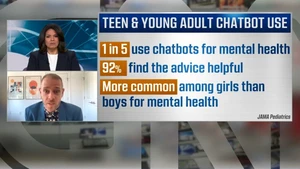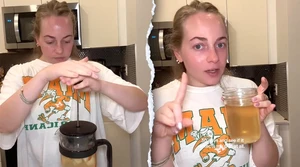
The world of social media has revolutionized the way we consume health information, with a staggering 49.8% of U.S. adults under 50 now turning to influencers for wellness advice. This alarming trend raises concerns about the qualifications and accuracy of the information they receive, as many influencers lack formal training or credentials in healthcare or related fields. While some influencers offer valuable and evidence-based information, others may provide misleading or potentially harmful advice, posing a significant risk to individuals who rely on them for guidance. Health literacy and media literacy have become increasingly important in today's digital landscape, where the lines between fact and fiction can be easily blurred. The study, which surveyed a representative sample of U.S. adults under 50, found that the most common topics of interest included diet and exercise (62%), mental health (45%), and skincare (38%). Experts recommend that individuals critically evaluate the credentials and experience of influencers before accepting their advice, and consult with qualified healthcare professionals for personalized guidance and evidence-based recommendations. The report emphasizes the need for greater awareness among consumers about the potential risks associated with relying on unqualified individuals for health information. The report's findings underscore the importance of responsible consumption of online health information, particularly among younger demographics navigating a rapidly evolving digital landscape. It also calls for greater regulation and accountability for influencers who provide health-related content. As the demand for health information continues to grow, it is essential that individuals prioritize evidence-based information and consult with qualified healthcare professionals to ensure their health and well-being.
The Alarming Rise of Social Media Influencers as Health Experts: A Growing Concern for Young Adults
The New York Times•