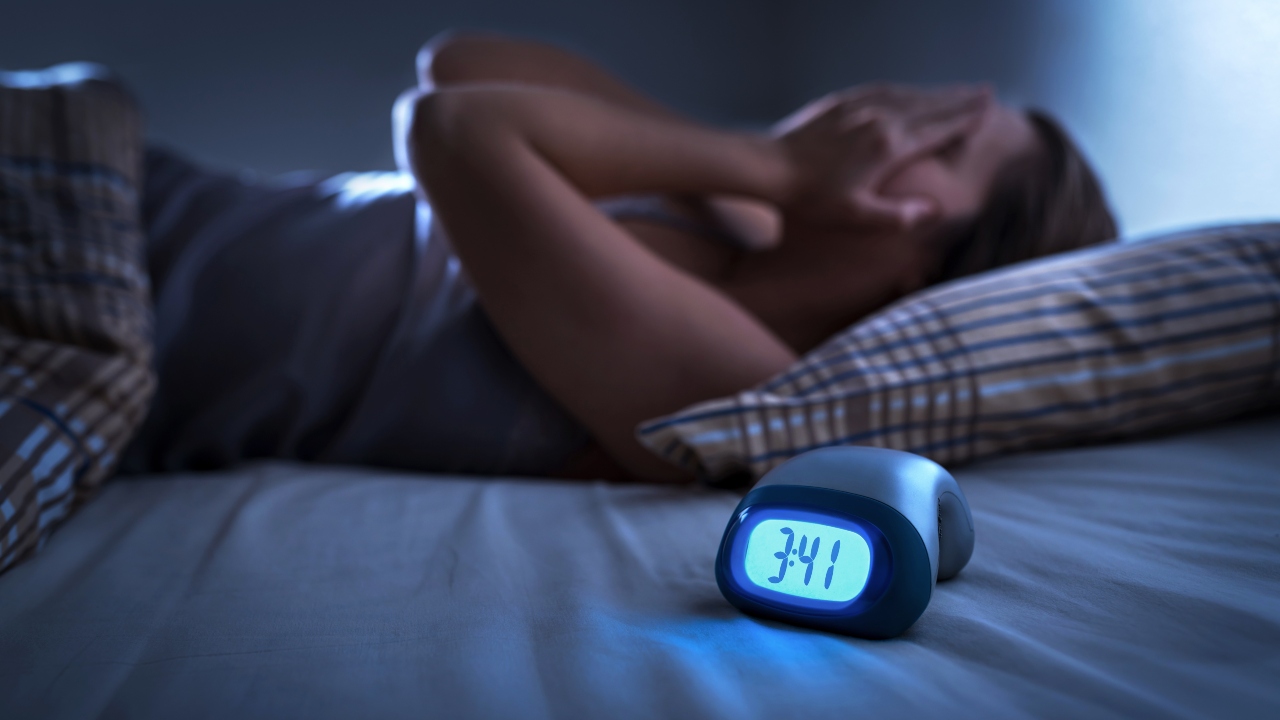
As the clocks spring forward on March 8th, millions of Americans will lose an hour of sleep, disrupting their body's natural rhythms and potentially leading to a host of adverse effects. The annual time change, which may seem minor, can have a significant impact on both physical and mental well-being. Research suggests a link between the time change and an increased risk of heart attacks, strokes, and mood disturbances, making it essential to prioritize sleep hygiene in the days leading up to and following the time change.
The sudden disruption to the circadian rhythm, or internal clock, is the primary culprit behind the potential health risks associated with Daylight Saving Time. The American Heart Association has previously highlighted the potential cardiovascular risks associated with the time change, particularly for individuals with pre-existing conditions. The abrupt change can place additional stress on the heart, leading to decreased alertness and productivity during the days following the time change. Furthermore, the loss of sleep can impair cognitive function, making it more challenging to focus and make decisions.
Beyond physical health, experts also note that the transition can negatively impact mental health. Some individuals may experience increased feelings of fatigue, irritability, and even symptoms of depression. It's crucial to maintain a consistent sleep schedule, avoid caffeine and alcohol before bed, and ensure a dark and quiet sleep environment to mitigate any negative effects. By understanding the potential health consequences of Daylight Saving Time, individuals can take proactive steps to protect their physical and mental well-being.