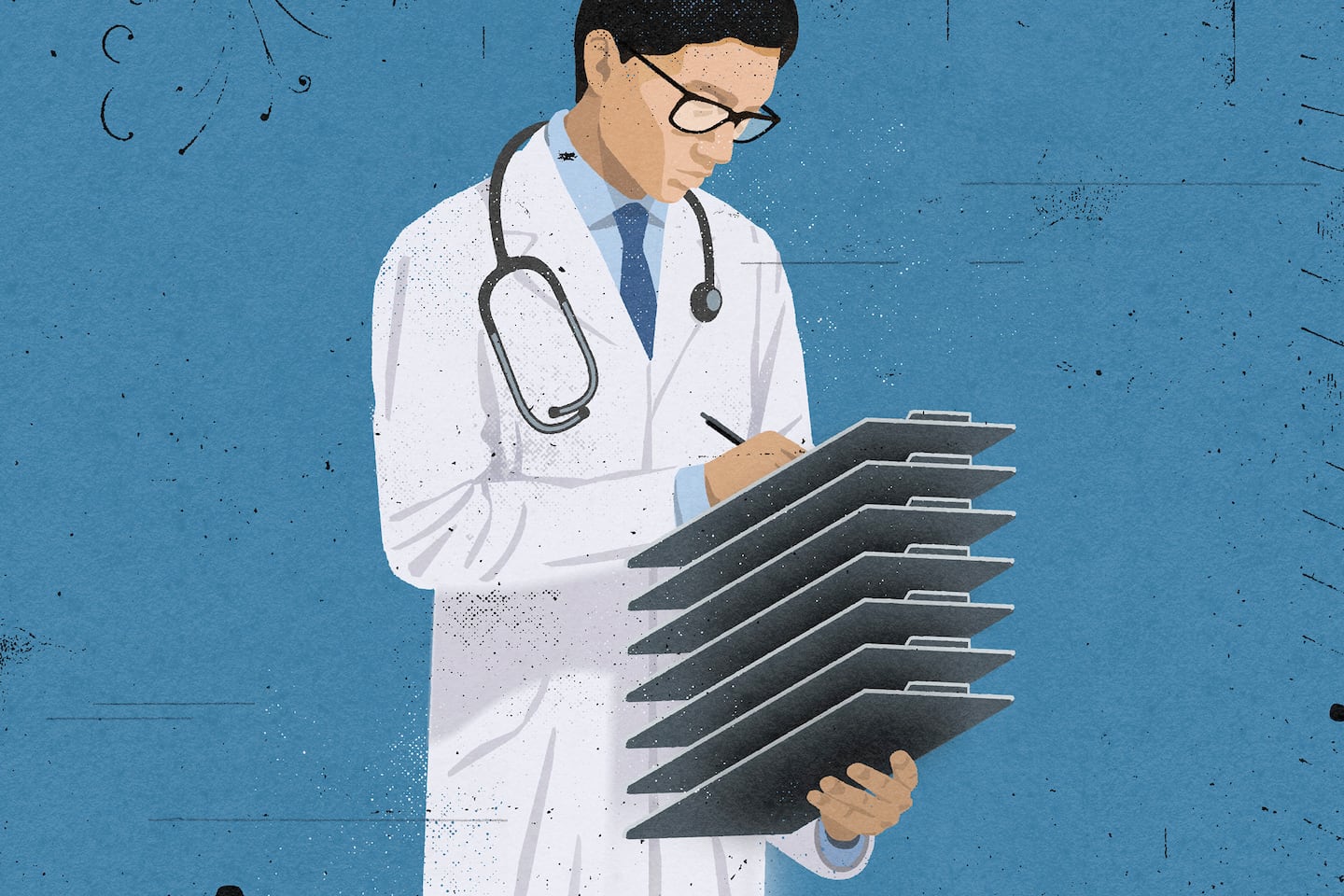
The US healthcare system is plagued by inefficiencies, with administrative burdens contributing significantly to higher costs. Experts agree that addressing this issue is crucial to creating a more affordable and efficient healthcare system for all Americans. A recent analysis highlights three primary areas where streamlining processes could yield substantial savings and improve efficiency.
The current system is known for its complex and often duplicative paperwork requirements, impacting both patients and providers. This complexity diverts resources away from direct patient care, contributing to higher overall costs. The administrative overhead includes tasks such as insurance claims processing, prior authorizations, and coding, all of which require significant staff time and resources. Standardizing forms and processes across different insurance providers could significantly reduce confusion and errors, currently leading to delays and increased administrative costs.
Implementing electronic data interchange (EDI) and other digital solutions can automate many manual tasks, freeing up staff to focus on more complex issues. Simplifying coding and billing procedures can reduce errors and improve the accuracy of claims submissions, minimizing denials and rework. While the specific cost savings associated with these changes are difficult to quantify precisely, experts suggest that reducing the administrative burden could potentially save billions of dollars annually. These savings could then be reinvested in patient care or used to lower premiums and out-of-pocket expenses for consumers.