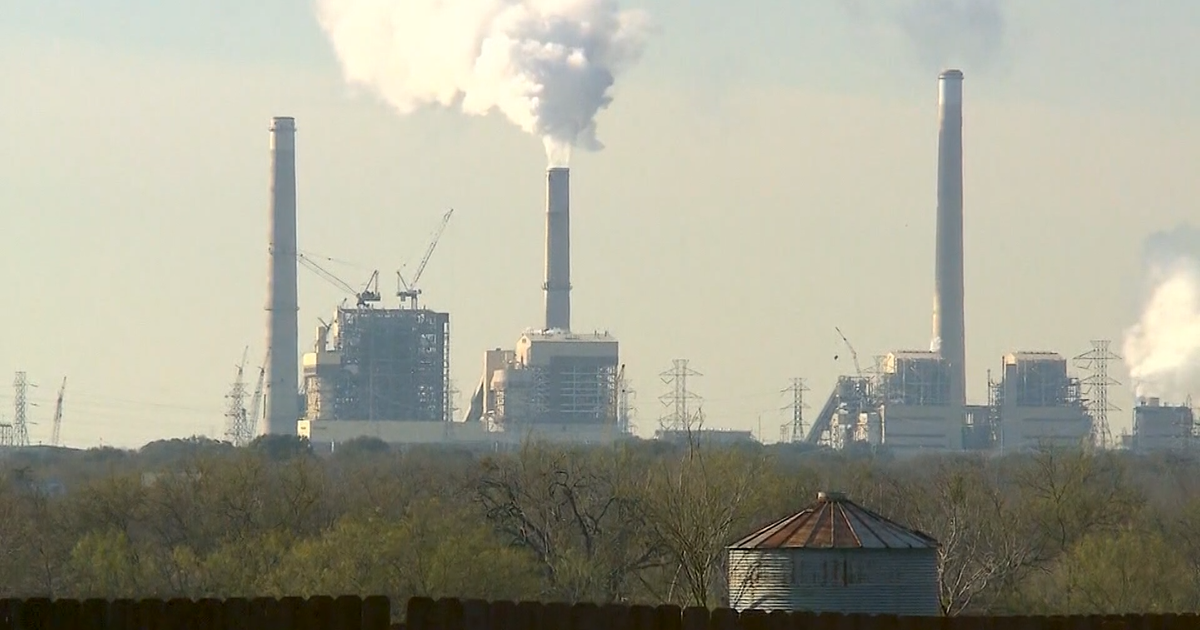
The Environmental Protection Agency's (EPA) recent rollback of regulations regarding mercury emissions from power plants has raised concerns about public health and transparency in North Carolina. The revised rules, finalized earlier this week, ease requirements for monitoring and reporting mercury released when coal is burned. This change has sparked worries about the potential health risks associated with increased mercury contamination in the state's waterways and the impact on residents who consume locally caught fish.
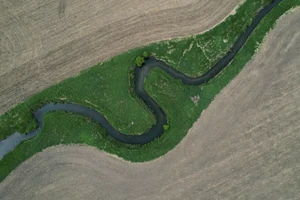
Mercury, a potent neurotoxin, doesn't simply vanish when released into the atmosphere from power plants. Instead, it can travel significant distances – sometimes for miles – before depositing into soil and waterways. Once in these environments, mercury accumulates within the food chain, particularly concentrating in fish consumed by humans. This bioaccumulation poses a serious health risk, especially to vulnerable populations such as pregnant women and young children. The previous EPA regulations mandated stricter monitoring and reporting of mercury emissions, providing valuable data for tracking pollution levels and assessing potential health impacts.
Critics argue that the rollback weakens these safeguards, hindering efforts to protect public health and holding power plants less accountable for their environmental impact. Environmental advocacy groups and state health officials have expressed concerns that the change could lead to increased mercury contamination in North Carolina's waterways and a greater risk of mercury exposure for residents who consume locally caught fish. While the EPA defends the changes as reducing unnecessary burdens on power plants, opponents contend that the potential health and environmental consequences outweigh any economic benefits. The long-term effects of this policy shift on North Carolina’s environment and public health remain to be seen, but concerns are prompting calls for increased state-level oversight and monitoring to ensure the safety of residents and the protection of natural resources.