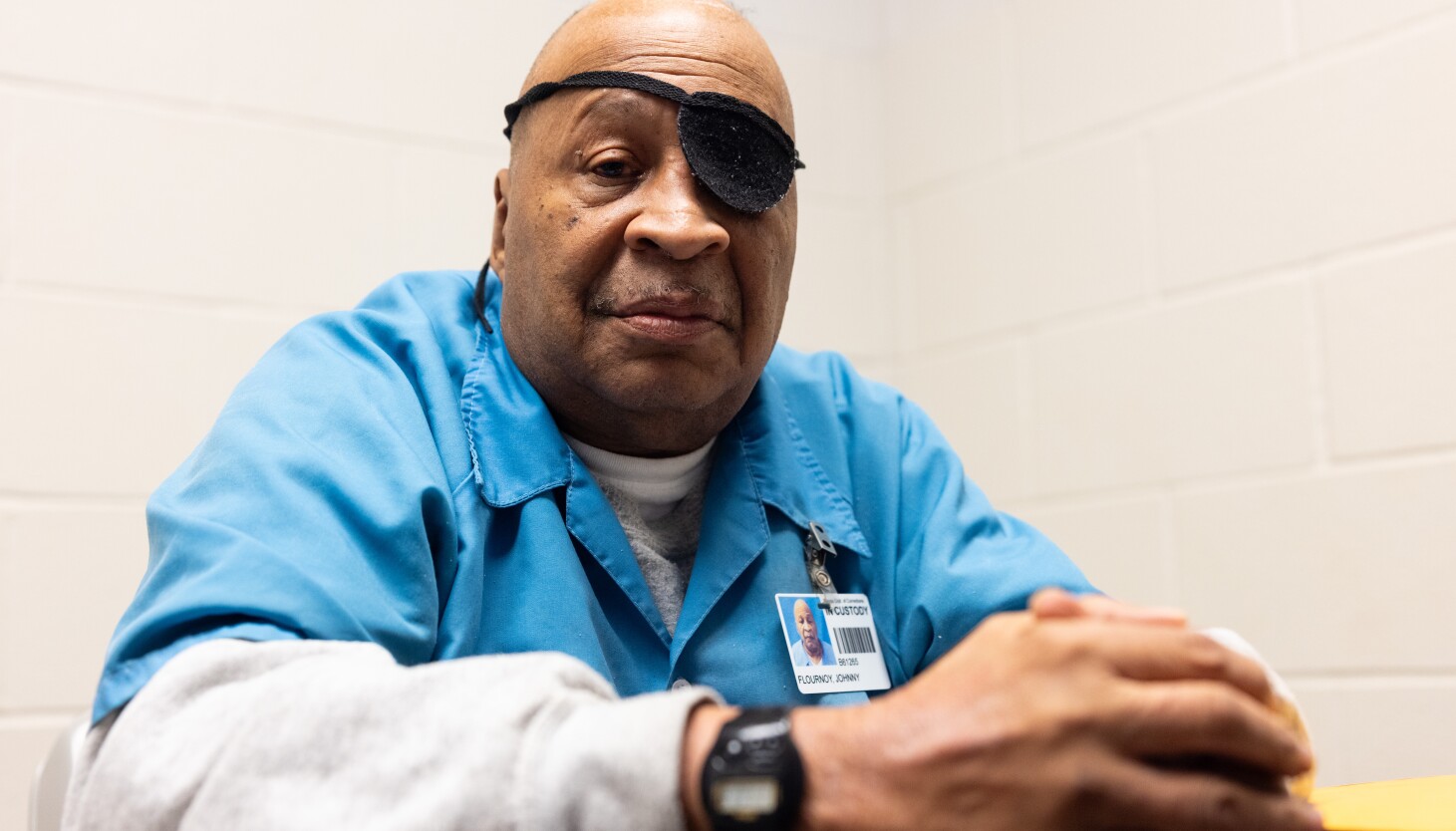
The Illinois Department of Corrections has been under scrutiny for its inadequate healthcare system, with reports from an independent court monitor detailing ongoing deficiencies in medical and dental care provided to incarcerated individuals. Despite a court order in place since 2019, the department has failed to make substantial progress in addressing systemic issues within its healthcare system, marking seven years of non-compliance with the consent decree. The consent decree, a legally binding agreement, was initially established to address allegations of inadequate medical and dental care, which put the lives and well-being of inmates at risk.
The court monitor's reports consistently highlight persistent problems, including delays in accessing specialists, inadequate screening processes for chronic conditions, and insufficient dental care. These issues have raised serious questions about the department's commitment to providing constitutionally mandated healthcare to those in its custody. The situation has drawn criticism from advocates for incarcerated individuals and legal experts, who argue that the prolonged lack of improvement constitutes a violation of inmates' rights. The ongoing legal proceedings and court monitoring are expected to continue until the Department of Corrections demonstrates sustained and substantial compliance with the consent decree and provides adequate healthcare for the state's incarcerated population.
The current state of affairs raises concerns about the potential for further harm and legal repercussions for the state. The Department of Corrections has struggled to implement necessary reforms and address the root causes of these deficiencies. The consent decree mandates regular reporting and provides a framework for addressing these issues, but the continued failures raise questions about the department's willingness to prioritize the health and well-being of its inmates. The situation highlights the need for continued oversight and accountability to ensure that the department meets its constitutional obligations to provide adequate healthcare to those in its custody.